
Have you ever scrolled through social media, seen those impeccably defined midsections, and wondered, “how to get 6 packs?” You’re not alone. The quest for a chiseled core is one of the most common fitness goals, often viewed as the pinnacle of physical dedication and health.
But beyond the aesthetic appeal, a strong core is fundamental to overall fitness, athletic performance, and even preventing everyday injuries. In 2025, with an abundance of misinformation and quick-fix promises, understanding the genuine, science-backed path to achieving a six-pack is more important than ever.
It’s a journey, not a sprint. I remember when I first started my fitness journey, my core was practically non-existent. I’d do countless crunches, expecting instant results, only to be met with frustration.
It wasn’t until I truly understood that a six-pack isn’t just built in the gym, but forged in the kitchen and sculpted through consistent effort and proper recovery, that I began to see real changes.
This comprehensive guide will demystify the process, providing you with an actionable, sustainable roadmap to reveal the strong, defined abs you desire. We’ll cover everything from nutrition to targeted workouts, lifestyle adjustments, and the mindset you need to succeed.
Key Takeaways
- Holistic Approach is Crucial: Achieving a six-pack requires more than just crunches; it’s a combination of diet, exercise, recovery, and mindset.
- Body Fat Percentage is Key: Visible abs emerge when body fat is sufficiently low, often 10-12% for men and 18-20% for women [1].
- Nutrition is 80% of the Battle: Prioritize a calorie deficit with whole, unprocessed foods, lean protein, healthy fats, and complex carbohydrates.
- Consistent, Varied Core Training: Engage your entire core with exercises beyond traditional crunches, incorporating planks, leg raises, and rotational movements.
- Patience and Consistency: Results take time and unwavering dedication. Expect a journey of several months, not weeks.
The Foundation: Understanding How to Get 6 Packs
Before we dive into specific exercises and meal plans, it’s crucial to understand the fundamental principles of abdominal definition. Your “six-pack” is primarily made up of the rectus abdominis muscle, a long, flat muscle that extends vertically along the front of your abdomen. While everyone has a rectus abdominis, its visibility depends largely on two factors: the size of the muscle itself and, more significantly, the amount of body fat covering it.
The Role of Body Fat Percentage
This is the golden rule for how to get 6 packs: you cannot spot-reduce fat. Doing a thousand crunches won’t magically melt the fat solely from your stomach. Fat loss occurs systemically across your entire body. For your abdominal muscles to become visible, your overall body fat percentage needs to drop to a certain level.
General Guidelines for Six-Pack Visibility:
| Sex | Body Fat Percentage | Description |
|---|---|---|
| Men | 6-9% | Extremely lean, often seen in competitive bodybuilders |
| 10-12% | Well-defined six-pack, achievable for most | |
| 13-15% | Some abdominal definition, upper abs might show | |
| Women | 14-17% | Extremely lean, often seen in competitive athletes |
| 18-20% | Well-defined six-pack, achievable for most | |
| 21-23% | Some abdominal definition |
Source: American Council on Exercise (ACE) guidelines [2]
Disclaimer: These are general guidelines. Individual genetics, muscle mass, and fat distribution play a significant role. Always consult with a healthcare professional before making significant changes to your diet or exercise routine.
Achieving these body fat percentages requires consistent effort in both diet and exercise. It means embracing a lifestyle change, not just a temporary fix.
Genetics and Muscle Definition
While body fat is the biggest determinant, genetics also play a role in the appearance of your six-pack. Some individuals naturally have a more prominent rectus abdominis “slab” with clearly defined tendinous intersections, which create the “six-pack” effect. Others might have a “four-pack” or an “eight-pack” due to genetic variations in these fibrous bands. This is simply how your body is built, and it’s important to focus on what you can control: reducing body fat and strengthening your core muscles.
For instance, I’ve trained clients who diligently followed every instruction and still found it challenging to achieve the ultra-defined look they saw in magazines. We discovered that their body composition was excellent, but their genetic predisposition meant their tendinous intersections weren’t as deeply set as some others. The key was to shift their focus from an “ideal” image to celebrating their own incredible strength and definition.
The Core: More Than Just Abs
When we talk about “how to get 6 packs,” we’re often narrowly focused on the rectus abdominis. However, your core is a complex network of muscles that includes:
- Rectus Abdominis: The “six-pack” muscle.
- Obliques: Internal and external muscles on your sides, responsible for twisting and side bending.
- Transverse Abdominis (TVA): The deepest abdominal muscle, acts like a natural corset, stabilizing your spine and core.
- Erector Spinae: Muscles along your spine, crucial for back extension and stability.
- Pelvic Floor Muscles: Support the pelvic organs and contribute to core stability.
- Glutes: While not strictly “core,” strong glutes are integral to pelvic stability and overall core function.
A truly strong core works synergistically. Neglecting these other core muscles can lead to imbalances, injury, and a less functional physique. Our goal isn’t just a pretty stomach; it’s a strong, resilient, and high-performing body.
The Nutritional Blueprint: Fueling Your Six-Pack Journey
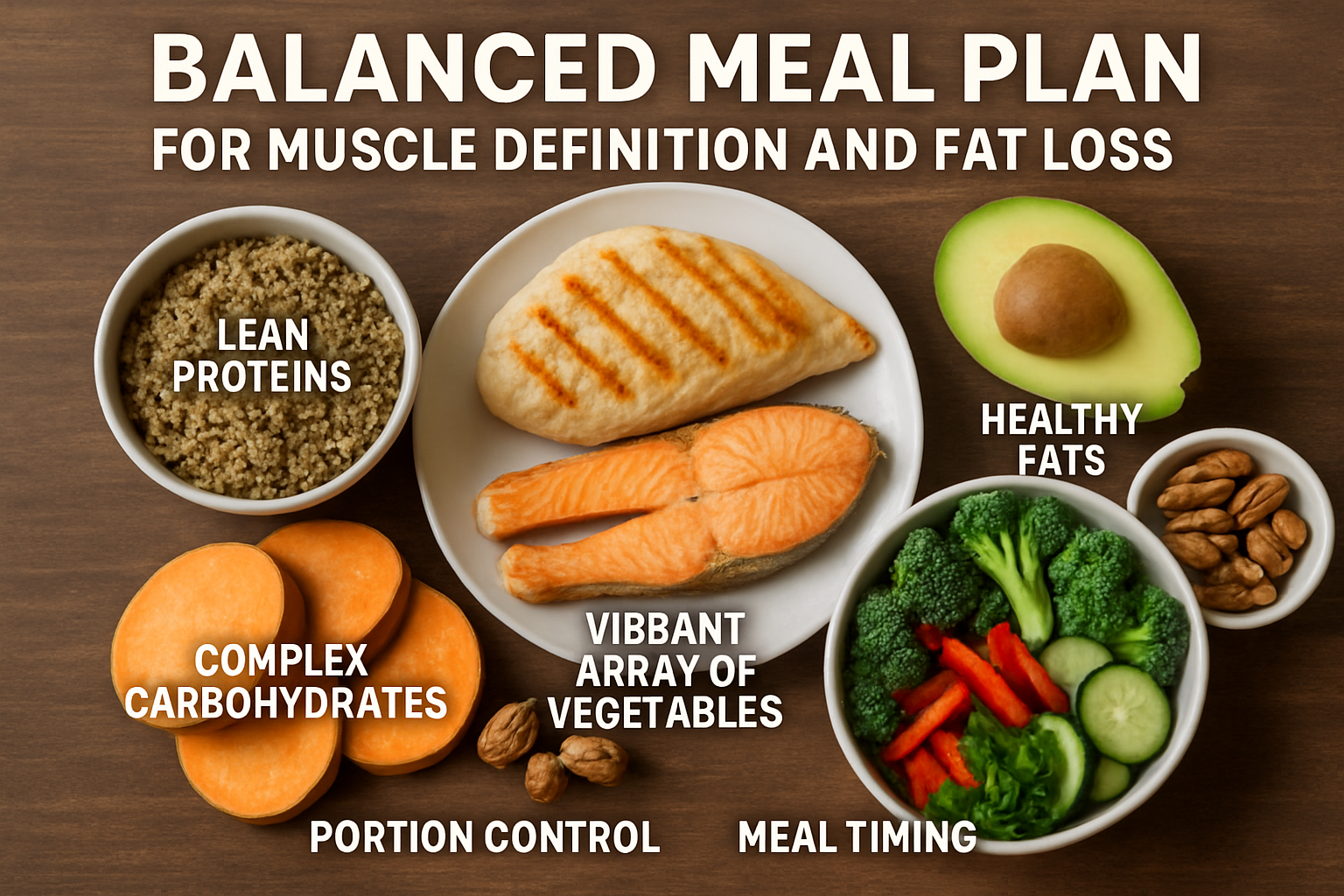
It’s often said that “abs are made in the kitchen,” and this couldn’t be truer when considering how to get 6 packs. No amount of crunches will reveal your abdominal muscles if they’re hidden under a layer of excess body fat. Your diet is arguably the single most important factor in achieving a defined midsection.
Calorie Deficit: The Golden Rule
To lose body fat, you must consume fewer calories than your body burns – this is known as a calorie deficit [3]. This doesn’t mean starvation; it means making smart choices that allow you to fuel your body while slowly tapping into your fat stores for energy.
How to Calculate Your Calorie Needs:
- Estimate your Basal Metabolic Rate (BMR): This is the number of calories your body burns at rest. Online calculators (e.g., Mifflin-St Jeor equation) can help [4].
- Estimate your Total Daily Energy Expenditure (TDEE): Multiply your BMR by an activity factor (e.g., sedentary, lightly active, moderately active, very active).
- Create a Deficit: Subtract 300-500 calories from your TDEE for sustainable fat loss (aim for 1-2 pounds per week). A deficit that is too aggressive can lead to muscle loss and metabolic slowdown.
Example: If your TDEE is 2500 calories, aim for 2000-2200 calories per day.
Tracking your calories initially using an app (like MyFitnessPal or Cronometer) can be incredibly insightful to understand portion sizes and macronutrient content. After a few weeks, you’ll likely develop a better intuitive understanding.
Macronutrient Breakdown for Six-Pack Success
While calories are king for fat loss, the composition of those calories (macronutrients: protein, carbohydrates, fats) is crucial for preserving muscle mass and feeling satiated.
- Protein (💪): The Muscle Builder & Satiety Champion
- Why it’s important: Protein helps preserve lean muscle mass during a calorie deficit, which is vital for maintaining your metabolism. It also has a high thermic effect (meaning your body burns more calories digesting it) and is highly satiating, helping to control hunger [5].
- Target: Aim for 0.7-1 gram of protein per pound of body weight (1.6-2.2 grams per kg) [6].
- Sources: Lean meats (chicken breast, turkey, lean beef), fish (salmon, cod), eggs, dairy (Greek yogurt, cottage cheese), legumes (lentils, beans), protein powder.
- Carbohydrates (🥔): Energy for Workouts & Recovery
- Why it’s important: Carbs are your body’s primary energy source. Opt for complex carbohydrates that provide sustained energy and fiber, which aids digestion and satiety.
- Target: Adjust based on activity level; generally 30-40% of your total daily calories. Prioritize complex carbs.
- Sources: Whole grains (oats, quinoa, brown rice, whole-wheat bread), sweet potatoes, fruits, vegetables. Limit refined sugars and processed grains.
- Fats (🥑): Hormonal Balance & Nutrient Absorption
- Why it’s important: Healthy fats are essential for hormone production, nutrient absorption, and overall health. They also contribute to satiety.
- Target: Generally 20-30% of your total daily calories. Focus on unsaturated fats.
- Sources: Avocados, nuts (almonds, walnuts), seeds (chia, flax), olive oil, fatty fish (salmon, mackerel).
Hydration and Micronutrients
Don’t underestimate the power of water! Staying well-hydrated is crucial for metabolism, energy levels, and flushing out toxins. Aim for at least 8-10 glasses (2-3 liters) of water daily. Often, what feels like hunger is actually thirst.
Furthermore, ensure you’re getting a wide array of vitamins and minerals from fruits and vegetables. These micronutrients support countless bodily functions, including energy production and muscle recovery.
Foods to Limit or Avoid
To successfully navigate how to get 6 packs, certain foods are counterproductive:
- Sugary Drinks & Processed Foods: Empty calories, rapid blood sugar spikes, and often loaded with unhealthy fats.
- Excessive Saturated & Trans Fats: Contribute to weight gain and poor cardiovascular health.
- Alcohol: High in empty calories, impairs fat metabolism, and can lead to poor food choices [7].
- Refined Grains: White bread, pasta, pastries – lack fiber and nutrients, lead to blood sugar crashes.
My personal journey hit a plateau until I became meticulously honest about my snacking habits. Those innocent “handfuls” of chips or a second scoop of ice cream after dinner added up quickly. Once I replaced them with high-protein, low-calorie alternatives like Greek yogurt with berries or a small handful of almonds, the fat loss accelerated.
Training for Definition: Sculpting Your Core
[[{“cover”:”Professional landscape hero image (1536×1024) with bold text overlay: ‘Unlock Your Core: How to Get 6 Packs in 2025’, modern sans-serif 70pt white text with a subtle blue shadow, centered slightly above the midline. The background depicts a determined, athletic individual with visible abdominal definition, engaging in a functional core exercise in a clean, modern gym environment with natural light. The color scheme is vibrant, featuring cool blues, grays, and energetic oranges, creating a high-contrast, motivational, and magazine cover aesthetic, focusing on how to get 6 packs.”,”content”:[“A detailed infographic illustrating the four key pillars of achieving six-pack abs: targeted abdominal exercises, balanced nutrition, consistent hydration, and adequate recovery. Visual elements include small icons representing each pillar (e.g., a dumbbell for exercise, an apple for nutrition), clear percentage breakdowns or illustrative bars for their relative importance, and a timeline showing progress over several months. The overall aesthetic is clean, educational, and professional, with a central focus on ‘how to get 6 packs’ and emphasizing a holistic approach.”,”An engaging visual representation of a balanced meal plan for muscle definition and fat loss. The image should feature a collection of various healthy food items arranged appealingly on a table, including lean proteins (chicken breast, fish), complex carbohydrates (quinoa, sweet potato), healthy fats (avocado, nuts), and a vibrant array of vegetables. Text overlays or small labels should highlight specific nutrient benefits, emphasizing portion control and meal timing, all framed around the dietary strategies crucial for understanding ‘how to get 6 packs’.”,”A dynamic composite image showcasing three different effective core exercises: a plank with proper form, a bicycle crunch, and a hanging leg raise. Each exercise should be performed by an athlete with good form, captured in motion. Surrounding these images, small callout boxes provide tips for technique, common mistakes to avoid, and the muscles targeted by each exercise. The background should be a gym setting, creating a professional and instructional atmosphere directly addressing the physical activity aspect of ‘how to get 6 packs’.”]}]]
While nutrition is paramount for fat loss, consistent and effective core training is essential for building and defining the muscles underneath. When considering how to get 6 packs, it’s not about endless crunches, but smart, progressive overload that challenges your entire core.
Why Just Crunches Aren’t Enough
Many people make the mistake of relying solely on crunches or sit-ups. While these exercises target the rectus abdominis, they primarily focus on spinal flexion. A truly functional core requires stability, anti-rotation, anti-extension, and anti-lateral flexion. Your core is designed to transfer force and prevent unwanted movement, not just to move.
“The best core exercises are often those where your core is resisting movement, rather than creating it.”
— Dr. Stuart McGill, renowned spine biomechanics expert
Key Principles of Effective Core Training
- Variety: Incorporate exercises that hit all parts of your core from different angles.
- Progressive Overload: Just like any other muscle, your abs need to be challenged to grow stronger and more defined. This can mean increasing reps, sets, holding time, adding resistance, or moving to more challenging variations.
- Mind-Muscle Connection: Focus on feeling the muscles work. Don’t just go through the motions. Brace your core as if preparing for a punch.
- Consistency: Aim for 3-4 core workouts per week, allowing for recovery.
Top Exercises for How to Get 6 Packs
Here’s a selection of highly effective exercises that target different aspects of your core.
1. Rectus Abdominis (The “Six-Pack” Muscle)
- Crunches/Reverse Crunches: Classic moves. Focus on controlled movement, not momentum.
- Reverse Crunch: Lie on your back, knees bent, feet flat. Lift your hips off the floor, bringing your knees towards your chest. Slowly lower.
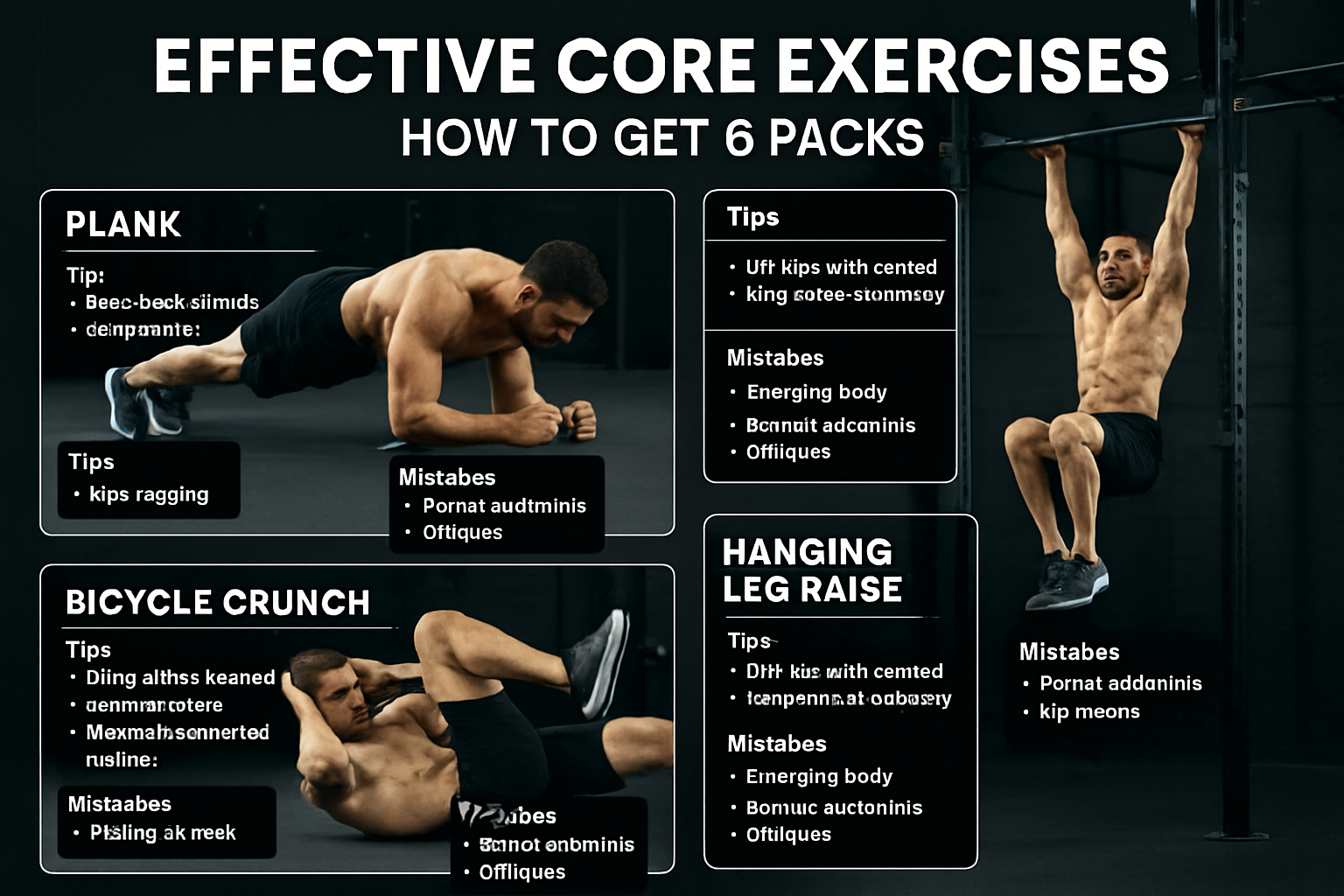
- Hanging Leg Raises / Knee Raises: Advanced. Hang from a bar, keep your body stable, and lift your legs (straight for leg raises, bent for knee raises) towards your chest.
- Tip: If hanging is too difficult, start with captain’s chair leg raises.
- Ab Rollout (with wheel or barbell): Excellent for anti-extension. Kneel on the floor, hold the ab wheel/barbell, and roll forward, keeping your core tight and back straight. Roll out as far as you can without letting your hips sag, then pull back.
2. Obliques (Side Abs)
- Bicycle Crunches: Lie on your back, hands behind head. Bring opposite elbow to opposite knee, extending the other leg. Alternate sides in a controlled, fluid motion.
- Russian Twists (with or without weight): Sit on the floor, knees bent, feet lifted slightly (optional). Lean back slightly, keep your back straight, and twist your torso from side to side.
- Side Planks: Hold a plank on your side, supporting yourself on one forearm and the side of your foot. Keep your body in a straight line from head to heels. Hold for time.
3. Transverse Abdominis (Deep Core Stability)
- Planks (and variations): The ultimate core stability exercise. Hold a push-up position, supporting yourself on your forearms. Keep your body in a straight line, engage your glutes, and pull your belly button towards your spine.
- Variations: High plank, plank shoulder taps, plank with hip dips.
- Dead Bug: Lie on your back, arms extended towards the ceiling, knees bent at 90 degrees, shins parallel to the floor. Slowly extend opposite arm and leg, keeping your lower back pressed into the floor. Return and alternate.
4. Compound Lifts (Full Body Core Engagement)
Don’t forget that many compound exercises heavily engage your core for stability:
- Squats
- Deadlifts
- Overhead Presses
- Rows
These exercises allow you to lift heavier, burn more calories, and build overall strength, which contributes to a more muscular and defined physique.
Sample Core Workout (2-3 times per week)
Choose 2-3 exercises from each category, or mix and match for variety.
| Exercise | Sets | Reps / Duration | Focus |
|---|---|---|---|
| Plank (Forearm) | 3 | 45-60 seconds hold | TVA, Rectus Abdominis |
| Hanging Knee Raises | 3 | 10-15 controlled reps | Rectus Abdominis |
| Bicycle Crunches | 3 | 15-20 reps per side | Obliques, Rectus Abdominis |
| Ab Rollout | 3 | 8-12 controlled reps | Rectus Abdominis, Anti-Extension |
| Side Plank | 3 | 30-45 seconds per side | Obliques, TVA |
| Dead Bug | 3 | 10-12 reps per side | TVA, Anti-Extension |
Remember to warm up before and cool down after your workouts.
When I started doing ab rollouts, I realized how weak my deep core muscles were. It was humbling! But by consistently working on them, not just the “showy” six-pack muscles, my entire physique felt stronger and more stable, improving my performance in all other lifts.
Cardio: The Fat-Burning Accelerator
While resistance training is crucial for building muscle and boosting metabolism, cardio plays a significant role in creating that calorie deficit and burning fat, which is essential for how to get 6 packs.
- High-Intensity Interval Training (HIIT): Short bursts of intense exercise followed by brief recovery periods. Highly effective for burning calories in a shorter amount of time and can boost post-exercise calorie burn (EPOC) [8].
- Examples: Sprint intervals, battle ropes, burpees, cycling sprints.
- Low-Intensity Steady State (LISS): Longer durations of moderate-intensity activity (e.g., brisk walking, jogging, cycling). Great for recovery and burning fat without excessive stress on your body.
Aim for 3-5 sessions of cardio per week, combining both HIIT and LISS for optimal results.
Lifestyle Factors: Beyond Diet and Exercise
Achieving a visible six-pack isn’t just about what you do in the kitchen and the gym; it’s deeply intertwined with your overall lifestyle. These often-overlooked factors can significantly impact your progress.
1. Prioritize Sleep (😴)
Sleep is profoundly underrated in fitness. When you sleep, your body recovers, repairs muscle tissue, and produces essential hormones. Lack of sleep can disrupt hormone balance, leading to increased cortisol (the stress hormone, which can promote belly fat storage) and ghrelin (hunger hormone), while decreasing leptin (satiety hormone) [9]. This makes fat loss incredibly challenging.
- Goal: Aim for 7-9 hours of quality sleep per night.
- Tips: Create a consistent sleep schedule, make your bedroom dark and cool, limit screen time before bed, and avoid caffeine late in the day.
2. Manage Stress (🧘♀️)
Chronic stress elevates cortisol levels. While acute stress is normal, prolonged high cortisol can lead to increased appetite, cravings for unhealthy foods, and a greater tendency to store fat, particularly in the abdominal region [10].
- Techniques:
- Mindfulness & Meditation: Even 10 minutes a day can make a difference.
- Yoga: Combines physical activity with stress reduction.
- Deep Breathing Exercises: Calms the nervous system.
- Hobbies & Social Connection: Engaging in enjoyable activities and spending time with loved ones are powerful stress relievers.
I’ve seen clients completely stall their progress despite perfect adherence to diet and exercise, only to find that underlying chronic stress from work or personal life was the culprit. Addressing the stress often unlocked their fat loss.
3. Consistency and Patience (⏳)
This is perhaps the hardest aspect when you’re learning how to get 6 packs. Results don’t happen overnight. Building muscle and losing fat takes time, especially for sustainable, healthy changes. There will be plateaus, setbacks, and days when motivation wanes.
- Embrace the Journey: Focus on small, consistent habits rather than drastic, unsustainable changes.
- Track Progress: Take progress photos (monthly), measure waist circumference, and note strength gains in your workouts. The scale doesn’t tell the whole story.
- Be Kind to Yourself: One “bad” meal or missed workout won’t derail your entire journey. Get back on track with your next meal or workout.
4. Stay Accountable (🤝)
Having a support system or accountability mechanism can be incredibly powerful.
- Workout Partner: Someone to train with and keep you motivated.
- Fitness Coach: A professional can provide personalized plans, guidance, and accountability.
- Track Your Progress: Journaling your food, workouts, and even your mood can provide valuable insights and keep you honest.
Common Pitfalls to Avoid on Your Six-Pack Journey
As someone who’s navigated this path both personally and professionally, I’ve seen some common mistakes that often derail progress. Being aware of these can save you a lot of frustration and wasted effort when trying to achieve how to get 6 packs.
1. Overdoing Crunches and Neglecting Compound Movements
As mentioned, endless crunches are ineffective for fat loss and can even lead to muscular imbalances if not paired with a comprehensive core routine. Moreover, neglecting compound exercises like squats and deadlifts means you’re missing out on major calorie burn and overall strength development. These exercises engage your core far more functionally than isolation movements.
2. Insufficient Calorie Deficit (or Too Aggressive)
Eating too many calories, even healthy ones, will prevent fat loss. Many underestimate their calorie intake. Conversely, an overly aggressive calorie deficit (e.g., eating 1000 calories when your body needs 2000) can lead to muscle loss, metabolic slowdown, nutrient deficiencies, and make adherence impossible. Find that sustainable sweet spot.
3. Not Enough Protein
Protein is crucial for muscle preservation during fat loss and satiety. If your protein intake is too low, you risk losing valuable muscle mass along with fat, which can hinder your metabolism and overall physique.
4. Poor Sleep and High Stress
We’ve covered this, but it bears repeating. These are silent sabotagers. You can be perfect with diet and exercise, but if you’re chronically sleep-deprived and stressed, your body’s hormonal environment will fight against fat loss, particularly around the midsection.
5. Impatience and Lack of Consistency
Wanting immediate results is natural, but expecting them often leads to disappointment and quitting. This is a marathon. Real, lasting change takes weeks and months of consistent effort. Don’t compare your Chapter 1 to someone else’s Chapter 20. Celebrate small victories and trust the process.
6. Believing in Spot Reduction
“If I just do more side bends, I’ll lose my love handles!” Nope. Fat loss is systemic. You lose fat from where your body genetically prefers to store it first, and last. For many, the abdominal and lower back regions are the last places to shed fat. Stick to the calorie deficit, and trust that the fat will come off eventually.
Maintaining Your Six-Pack in 2025
Once you achieve your desired level of definition, the journey isn’t over. Maintaining a six-pack requires continued discipline, though often a slightly less restrictive approach than the fat-loss phase.
- Slightly Increase Calories: You can typically add a few hundred calories back into your diet, aiming for a maintenance level rather than a deficit. Continue to prioritize whole, nutrient-dense foods.
- Continue Core Training: Maintain your core workouts 2-3 times per week to keep the muscles strong and defined.
- Stay Active: Incorporate regular physical activity into your routine, whether it’s weight training, cardio, or recreational sports.
- Listen to Your Body: Pay attention to hunger cues, energy levels, and how your clothes fit. Adjust your intake and activity as needed.
- Flexibility: Once you’ve established solid habits, you can introduce a bit more flexibility into your diet – occasional treats are fine in moderation, without derailing your progress.
For me, maintaining my core definition involves a balanced approach. I still prioritize protein, whole foods, and regular workouts, but I’m also more relaxed about social eating and the occasional dessert. It’s about finding a sustainable rhythm that fits into your life without feeling constantly deprived.
Conclusion: Your Roadmap to How to Get 6 Packs
Achieving a visible six-pack is a journey that goes far beyond a few ab exercises. It’s a testament to consistency, discipline, and a holistic approach to health and fitness. In 2025, armed with accurate information, you have the power to transform your physique and build a strong, functional core.
Remember the core pillars:
- Nutrition is King: Create a sustainable calorie deficit, prioritize lean protein, healthy fats, and complex carbohydrates. Ditch processed foods and sugary drinks.
- Smart Core Training: Engage your entire core with varied exercises that focus on stability, anti-rotation, and anti-extension, not just spinal flexion. Incorporate compound lifts.
- Fat-Burning Cardio: Utilize both HIIT and LISS to accelerate fat loss.
- Lifestyle Optimisation: Prioritize 7-9 hours of quality sleep and actively manage stress to keep hormones balanced and cortisol at bay.
- Patience & Consistency: Trust the process. Results take time, effort, and unwavering dedication. Celebrate small victories and stay committed.
It’s not about perfection; it’s about progress. Start today, make small, sustainable changes, and stay consistent. Your stronger, more defined core is within reach. 💪
Actionable Next Steps:
- Calculate Your TDEE: Use an online calculator to estimate your daily calorie needs.
- Plan Your Meals: Spend an hour planning your meals for the week, focusing on lean protein, vegetables, and whole grains.
- Hydrate: Start carrying a water bottle and aim to drink at least 2-3 liters daily.
- Schedule Core Workouts: Integrate 3 core workouts into your weekly exercise routine, using the sample workout provided.
- Prioritize Sleep: Set a consistent bedtime and wake-up time for the next week.
- Track Progress: Take baseline photos and measurements, and commit to re-evaluating every 4-6 weeks.
Your journey to how to get 6 packs starts now. You’ve got this!
References
[1] American Council on Exercise (ACE). (n.d.). What are the guidelines for percentage of body fat?
[2] American Council on Exercise (ACE). (n.d.). Body Fat Percentage Calculator & Charts.
[3] Hall, K. D., et al. (2012). The effects of consuming a high-protein, low-fat diet on satiety. American Journal of Clinical Nutrition, 95(3), 705-711.
[4] Mifflin, M. D., et al. (1990). A new predictive equation for resting energy expenditure in healthy individuals. American Journal of Clinical Nutrition, 51(2), 241-247.
[5] Pesta, D. H., & Samuel, V. T. (2014). A high-protein diet for reducing body fat: mechanisms and efficacy. Nutrition & Metabolism, 11(1), 53.
[6] Morton, R. W., et al. (2018). A systematic review, meta-analysis and meta-regression of the effect of protein supplementation on resistance training-induced gains in muscle mass and strength in healthy adults. British Journal of Sports Medicine, 52(6), 376-384.
[7] Suter, P. M., et al. (1992). The effect of alcohol on energy metabolism and body weight regulation. The American Journal of Clinical Nutrition, 55(4), 988-993.
[8] Boutcher, S. H. (2011). High-intensity intermittent exercise and fat loss. Journal of Obesity, 2011, Article ID 868305.
[9] Spiegel, K., et al. (2004). Brief sleep restriction elevates the levels of hunger-inducing ghrelin and decreases levels of the satiety-inducing leptin. Journal of Clinical Endocrinology & Metabolism, 89(5), 2161-2168.
[10] Epel, E. S., et al. (2000). Stress and body shape: Stress-induced cortisol secretion is consistently greater in women with central fat. Psychosomatic Medicine, 62(5), 623-632.
Discover more from Best Fitness Stores
Subscribe to get the latest posts sent to your email.