

The year 2025 is here, and with it, a renewed focus on personal wellness and convenient fitness solutions. Gone are the days when a comprehensive workout required an expensive gym membership and a lengthy commute.
Today, the world of home workout equipment has revolutionized how we approach fitness, transforming spare rooms, garages, and even living room corners into powerful personal training spaces.
Whether you’re a seasoned athlete looking to supplement your routine or a complete beginner eager to embark on a healthier lifestyle, selecting the right home workout equipment is the crucial first step towards achieving your fitness goals from the comfort and privacy of your own abode. This article will guide you through the vast landscape of options, helping you make informed decisions to build your ideal home gym in 2025.
Key Takeaways
- Diverse Options for Every Goal: Home workout equipment spans strength, cardio, flexibility, and recovery, offering solutions for all fitness levels and objectives.
- Space & Budget are Key: Consider the available space in your home and your financial investment carefully before purchasing equipment to ensure practicality and sustainability.
- Smart Technology Integration: The 2025 market sees a surge in smart home gym systems and wearables, offering personalized training, tracking, and immersive experiences.
- Prioritize Safety & Ergonomics: Always choose equipment that is safe, sturdy, and ergonomically designed to prevent injuries and ensure effective workouts.
- Start Simple, Expand Later: Begin with foundational pieces and gradually add more specialized home workout equipment as your fitness journey evolves and needs change.
Building Your Foundation: Essential Home Workout Equipment for Every Fitness Goal
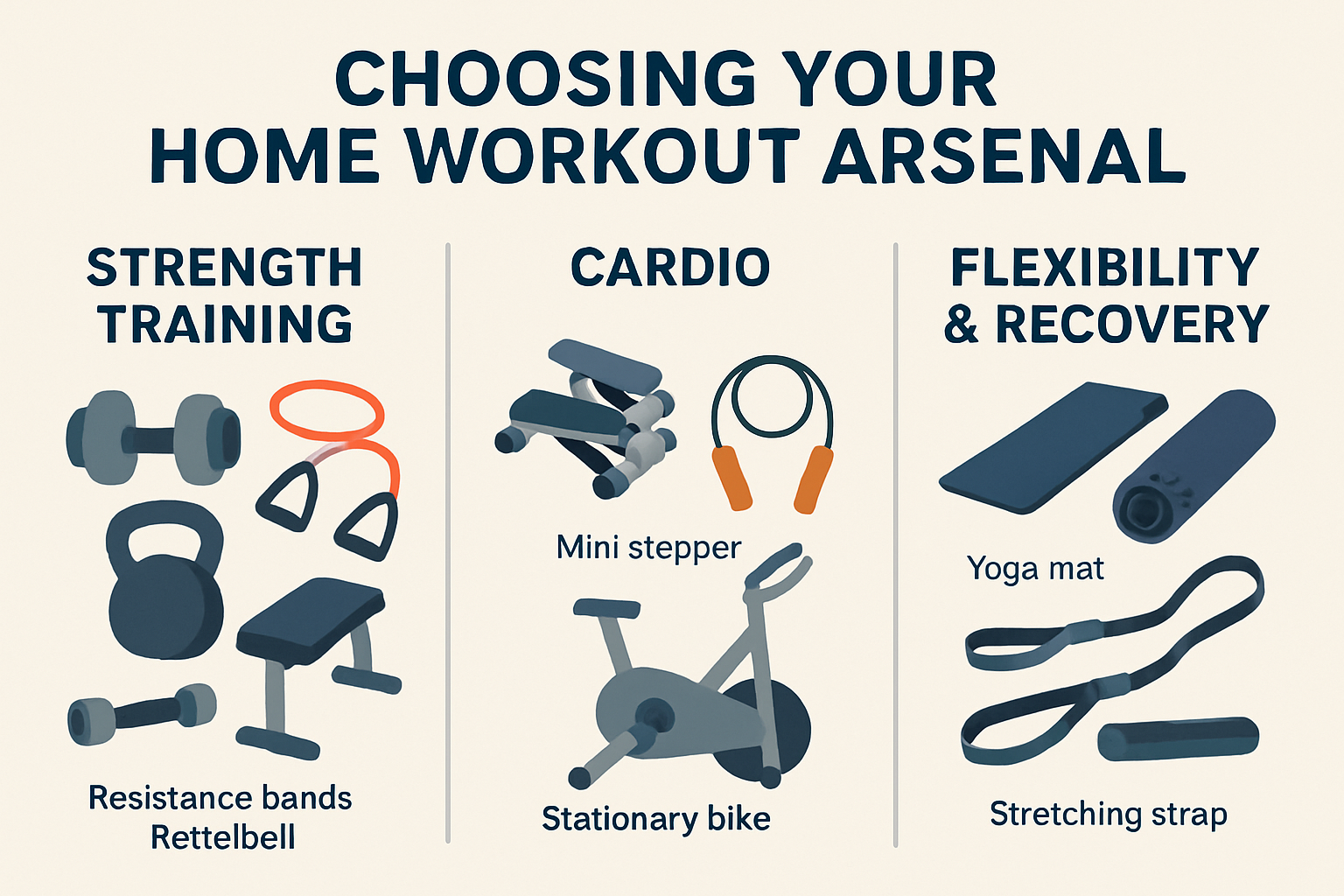
The journey to a fitter you often begins with a single step, or in this case, a thoughtful purchase. When it comes to home workout equipment, the options can feel overwhelming. However, by understanding your primary fitness goals – be it strength, cardiovascular health, flexibility, or a combination – you can narrow down your choices significantly. Let’s delve into the essential categories of home workout equipment that form the backbone of any effective home gym.
Strength Training Essentials
Strength training is vital for building muscle, improving bone density, boosting metabolism, and enhancing overall functional fitness. Luckily, you don’t need a dedicated weight room to get started.
- Dumbbells and Kettlebells: These versatile free weights are perhaps the most fundamental pieces of home workout equipment. Dumbbells come in various weights and are excellent for a wide range of exercises including squats, lunges, presses, and rows. Kettlebells, with their unique handle, offer a different center of gravity, making them ideal for dynamic, full-body movements like swings, cleans, and snatches. When starting, adjustable dumbbells or a small set of fixed weights (e.g., 5, 10, 15, 20 lbs) can be a smart investment. I remember a client, Sarah, who started her home fitness journey in early 2025 with just a pair of 10-pound dumbbells. Within months, her confidence soared as she noticed visible changes in her arms and shoulders. It truly underscores how effective even basic home workout equipment can be.
- Resistance Bands: Often underestimated, resistance bands are incredibly versatile, portable, and budget-friendly. They come in various strengths (light, medium, heavy) and types (loop bands, long bands with handles, mini bands). They can be used for warm-ups, cool-downs, rehabilitation, and to add resistance to bodyweight exercises like squats and glute bridges. They’re also fantastic for upper body work, mimicking cable machine exercises. Their lightweight nature makes them perfect for travel, ensuring your fitness routine never has to take a break.
- Pull-up Bar: A doorframe pull-up bar is a classic piece of home workout equipment for building upper body and core strength. It allows you to perform pull-ups, chin-ups, and even some core exercises like hanging leg raises. Look for sturdy models that install securely without damaging your doorframe. Some versions can also be placed on the floor for push-ups or dips.
- Weight Bench (Adjustable): An adjustable weight bench significantly expands the range of exercises you can perform with dumbbells. It allows for incline and decline presses, flies, rows, and step-ups, targeting different muscle groups more effectively. Opt for a sturdy, stable bench that can support your weight plus the weights you’ll be lifting.
- Bodyweight Suspension Trainers (e.g., TRX): These systems use your body weight and gravity to create resistance, allowing for hundreds of exercises that work strength, balance, flexibility, and core stability. They are highly portable, easy to set up in a doorway or from a sturdy anchor point, and are fantastic for all fitness levels.
Cardiovascular Powerhouses
Cardiovascular exercise is crucial for heart health, endurance, weight management, and boosting mood. While outdoor running and cycling are great, having dedicated cardio home workout equipment provides convenience, especially during inclement weather or busy schedules.
- Jump Rope: Don’t underestimate the power of this simple, inexpensive piece of home workout equipment. Ten minutes of jumping rope can be as effective as 30 minutes of jogging, burning a significant number of calories while improving coordination and agility. It’s space-efficient and requires minimal setup.
- Exercise Bike (Stationary or Spin Bike): Exercise bikes offer a low-impact cardio workout that’s easy on the joints. Stationary bikes are great for steady-state cardio, while spin bikes (often used in group cycling classes) allow for more intense, varied workouts with standing intervals and hill climbs. Many modern bikes integrate with fitness apps, offering virtual rides and instructor-led classes.
- Treadmill: The king of home cardio equipment, a treadmill allows you to walk, jog, or run regardless of the weather. Modern treadmills often feature cushioned decks to reduce impact, pre-programmed workouts, incline options, and connectivity to fitness apps. While they require more space and a higher investment, their versatility for varied cardio training is unparalleled.
- Elliptical Trainer: An elliptical offers a full-body, low-impact cardio workout, engaging both upper and lower body simultaneously. The gliding motion is gentle on the knees and hips, making it an excellent choice for individuals with joint concerns. Like treadmills, many ellipticals come with advanced features and workout programs.
- Rowing Machine: Rowing is a fantastic full-body workout that hits approximately 85% of your muscles. It’s low-impact and incredibly efficient for building both strength and cardiovascular endurance. Rowing machines are a superb addition to any home gym, though they do require a dedicated footprint, or models that fold for storage.
Flexibility and Recovery Tools
Often overlooked, flexibility and recovery are just as important as strength and cardio for a well-rounded fitness regimen and preventing injuries. These pieces of home workout equipment ensure your body remains agile and resilient.
- Yoga Mat: Essential for bodyweight exercises, stretching, yoga, Pilates, and core work, a good quality yoga mat provides cushioning and grip. It defines your workout space and makes floor exercises more comfortable.
- Foam Roller: A foam roller is excellent for self-myofascial release, helping to loosen tight muscles, improve flexibility, and reduce soreness after intense workouts. It’s like giving yourself a deep tissue massage at home.
- Resistance Bands (Light): While mentioned for strength, lighter resistance bands are excellent for dynamic stretches and improving range of motion.
- Massage Gun: For those who want more targeted recovery, a percussion massage gun can provide deep tissue massage, reduce muscle soreness, and increase blood flow, aiding in faster recovery. These have become increasingly popular pieces of home workout equipment in 2025.
Considerations for Your Home Workout Equipment Selections
Before you make any purchases, several factors should influence your choices:
- Space: How much room do you have? Consider foldable equipment, compact designs, or multi-functional pieces. My friend Mark, living in a small apartment, cleverly invested in a foldable treadmill and adjustable dumbbells that tuck neatly under his bed. His setup is proof that even limited space isn’t an obstacle to effective home workouts.
- Budget: Home workout equipment ranges widely in price. Prioritize essential items first and then expand as your budget allows. Remember, a higher price doesn’t always mean better quality for your specific needs.
- Fitness Goals: Are you aiming for muscle gain, weight loss, endurance, or overall health? Tailor your equipment to these specific objectives.
- Noise Level: If you live in an apartment or have roommates/family, consider how noisy certain machines (e.g., loud treadmills) might be.
- Assembly and Maintenance: Some equipment requires significant assembly. Factor in your comfort level with DIY, and consider the ongoing maintenance needed.
- Safety: Always choose sturdy, well-reviewed home workout equipment. Ensure free weights have secure collars, and cardio machines have emergency stop features. [1]
The Rise of Smart Home Gyms and Specialized Equipment in 2025

The fitness industry is continuously evolving, and 2025 has brought forth incredible advancements in smart home workout equipment and specialized gear. These innovations offer personalized training experiences, sophisticated tracking, and immersive workout environments that blur the lines between working out at home and having a personal trainer or studio class at your fingertips.
Smart Home Gym Systems: The Future is Now
Smart home gym systems are revolutionizing the way people train, offering an all-in-one interactive fitness experience. These systems often combine advanced hardware with subscription-based content, providing guided workouts, real-time feedback, and performance tracking.
- Smart Mirrors (e.g., Tempo, Mirror): These sleek, aesthetically pleasing pieces of home workout equipment blend seamlessly into your living space. When off, they’re just mirrors. When turned on, they transform into interactive screens displaying on-demand or live classes led by expert trainers. They often use AI and motion-tracking technology to provide form correction and personalized weight recommendations, making you feel like you have a personal trainer right there with you. The immersive experience can be incredibly motivating.
- Interactive Fitness Bikes (e.g., Peloton, Echelon): More than just stationary bikes, these systems offer access to vast libraries of spinning classes, scenic virtual rides, and competitive leaderboards. Instructors guide you through high-energy workouts, adjusting resistance and pace, creating an engaging and community-driven fitness experience from home. Many now offer off-bike workouts too, expanding their utility as home workout equipment.
- Smart Treadmills and Ellipticals: These machines often come with large HD touchscreens and integrated operating systems that connect to live and on-demand classes, virtual scenic routes, and performance tracking. Some even adjust incline and speed automatically based on the workout program or virtual terrain, providing a truly immersive experience.
- AI-Powered Strength Trainers (e.g., Tonal, Vingo): These cutting-edge devices use electromagnetic resistance instead of traditional weights, offering incredibly smooth and precise resistance that can be adjusted dynamically during a workout. They often feature AI that learns your strength levels, recommends personalized programs, and provides form feedback. They are compact, powerful, and represent a significant leap in home workout equipment technology. A personal anecdote: I witnessed a friend, who was initially skeptical, transform his strength training routine using an AI-powered system. He found the adaptive resistance and instant feedback incredibly effective for overcoming plateaus he’d struggled with for years.
Specialized and Advanced Home Workout Equipment
Beyond the core essentials and smart systems, there’s a world of specialized home workout equipment designed for targeted training or unique fitness modalities.
- Adjustable Dumbbell Systems: While traditional dumbbells are great, adjustable systems (like Bowflex SelectTech or PowerBlock) save a lot of space by combining multiple weight increments into a single pair. You simply dial a setting, and the weight changes, making them incredibly convenient for progressive overload.
- Home Gym Systems/Multi-Stations: For those with more space and a desire for a comprehensive gym experience, multi-station home gym systems offer a variety of exercises targeting all major muscle groups using cables, pulleys, and weight stacks. They’re excellent for structured strength training without needing numerous individual pieces of home workout equipment.
- Battle Ropes: A fantastic tool for high-intensity interval training (HIIT) and developing explosive power, battle ropes provide a full-body workout that especially targets the core, shoulders, and arms. They require a bit of space but deliver immense fitness benefits.
- Sandbags and Medicine Balls: These versatile tools are excellent for functional training, improving core strength, power, and stability. Sandbags offer an unstable load, challenging your muscles differently, while medicine balls are great for throws, slams, and rotational movements.
- Vertical Climbers: Simulating the action of rock climbing or stair climbing, vertical climbers offer an intense, low-impact, full-body cardio and strength workout. They are often foldable and relatively compact, making them a good option for maximizing space and calorie burn.
- Workout Apps and Wearables: While not physical equipment, these digital tools are integral to the modern home workout experience. Fitness apps offer guided workouts, personalized plans, nutrition tracking, and community support. Wearable devices (smartwatches, fitness trackers) monitor heart rate, calories burned, sleep patterns, and activity levels, providing valuable data to optimize your training and recovery. In 2025, the integration between equipment, apps, and wearables is more seamless than ever, creating a holistic view of your health and fitness. [2]
Choosing Your Advanced Home Workout Equipment
When considering smart systems or specialized equipment, ask yourself:
- Value Proposition: Does the investment justify the features and benefits for your specific goals? A Peloton is fantastic if you love spinning classes; less so if you primarily lift weights.
- Subscription Costs: Many smart systems require ongoing monthly or annual subscriptions for content access. Factor this into your long-term budget.
- Technology Comfort: Are you comfortable interacting with screens, apps, and potentially AI-driven feedback?
- Future-Proofing: Does the system receive regular software updates and new content, ensuring its longevity and continued relevance in 2025 and beyond?
The availability of advanced home workout equipment means you can tailor your fitness journey with unprecedented precision and convenience. From the basics to cutting-edge tech, the options are there to build a home gym that perfectly aligns with your aspirations.
| Equipment Type | Best For | Space Requirement | Cost Range (USD) | Key Benefits |
|---|---|---|---|---|
| Dumbbells/Kettlebells | Strength, Muscle Building, Functional Fitness | Low | $50 – $500 | Versatile, Compact, Progressive Overload |
| Resistance Bands | Strength, Flexibility, Rehab, Portability | Very Low | $15 – $70 | Portable, Affordable, Joint-Friendly |
| Jump Rope | Cardio, Agility, Calorie Burn | Very Low | $10 – $40 | Extremely Portable, High-Intensity Cardio |
| Yoga Mat | Flexibility, Core Work, Bodyweight Exercises | Low | $20 – $80 | Comfort, Grip, Defines Workout Space |
| Foam Roller | Muscle Recovery, Flexibility, Myofascial Release | Low | $20 – $60 | Reduces Soreness, Improves Mobility |
| Treadmill | Running, Walking, High-Intensity Cardio | High | $500 – $3,000+ | All-Weather Cardio, Varied Workouts |
| Exercise Bike | Low-Impact Cardio, Endurance | Medium | $300 – $2,500+ | Joint-Friendly, Good for Steady-State Cardio |
| Elliptical Trainer | Full-Body Low-Impact Cardio | High | $400 – $2,000+ | Gentle on Joints, Engages Upper & Lower Body |
| Rowing Machine | Full-Body Cardio & Strength | Medium-High | $300 – $1,500+ | High Calorie Burn, Targets Many Muscles |
| Smart Mirror | Personalized Training, Guided Classes | Low | $1,000 – $2,500+ | AI Feedback, Immersive Experience, Aesthetic |
| AI Strength Trainer | Adaptive Resistance, Strength Building | Low | $2,000 – $3,500+ | Precise Resistance, Personalized Programs, Compact |
Safety First: Setting Up Your Home Workout Space
Regardless of the home workout equipment you choose, safety should always be your top priority. A well-designed and safe home gym environment minimizes the risk of injury and maximizes the effectiveness of your workouts.
- Clear the Space: Ensure your workout area is free from clutter, tripping hazards, and anything that could get in the way during dynamic movements. Keep a safe distance from walls, furniture, and other objects.
- Appropriate Flooring: Hard floors can be slippery and uncomfortable. Consider interlocking foam mats, rubber gym flooring, or a thick yoga mat to provide cushioning, grip, and protect your floors, especially when using free weights.
- Ventilation and Lighting: A well-ventilated space prevents overheating and keeps the air fresh. Good lighting is crucial for visibility and safety, especially when performing complex movements or lifting heavy weights. Natural light is ideal, but good overhead lighting is also important.
- Mirror (Optional but Recommended): A full-length mirror can be an invaluable piece of home workout equipment, allowing you to check your form and technique. This is especially important for strength training to prevent injuries and ensure muscle activation.
- Water and Towel: Always have a water bottle handy to stay hydrated and a towel to wipe away sweat, maintaining hygiene and preventing slips.
- Proper Equipment Maintenance: Regularly inspect your home workout equipment for wear and tear. Check resistance bands for cracks, tighten bolts on benches or machines, and ensure all moving parts are lubricated if necessary. Follow manufacturer guidelines for maintenance.
- Learn Proper Form: Before using new home workout equipment, especially weights or complex machines, take the time to learn proper form. Watch instructional videos, read guides, or consider a few sessions with a virtual personal trainer to ensure you’re performing exercises correctly and safely. Many smart gym systems excel at providing this guidance.
“The greatest wealth is health.” – Virgil
This ancient wisdom resonates powerfully in 2025, as more people embrace proactive health management through home fitness. Investing in quality home workout equipment isn’t just about buying gear; it’s about investing in your long-term well-being, energy, and quality of life.
Maximizing Your Home Workout Equipment
Having the right home workout equipment is only half the battle; knowing how to use it effectively is the other. Here are some tips to maximize your investment:
- Establish a Routine: Consistency is key. Schedule your workouts and stick to them. Treat your home gym like a proper appointment.
- Set Achievable Goals: Whether it’s to run a certain distance, lift a specific weight, or simply work out X times a week, clear goals will keep you motivated.
- Track Your Progress: Use a notebook, a fitness app, or your smart gym’s tracking features to record your workouts, reps, sets, weights, and times. Seeing your progress is a huge motivator.
- Diversify Your Workouts: Don’t get stuck in a rut. Use your home workout equipment to try different types of exercises – combine strength with cardio, add in flexibility and core work. Many smart systems offer a wide variety of classes to keep things fresh.
- Listen to Your Body: Pay attention to pain, fatigue, and soreness. Rest when needed, and don’t push through pain that feels more than just muscle fatigue. Recovery is just as important as the workout itself.
- Stay Hydrated and Fuel Your Body: Proper nutrition and hydration are critical for supporting your workouts and recovery. The best home workout equipment can only do so much if your body isn’t adequately fueled.
- Seek Guidance When Needed: If you’re unsure about how to use a piece of home workout equipment or perform an exercise, don’t hesitate to consult online resources, certified trainers, or the instructional guides provided with your equipment.
The evolution of home workout equipment has made fitness more accessible and personalized than ever before. From simple dumbbells to sophisticated AI-powered systems, there’s a solution for every need, space, and budget in 2025. By carefully considering your goals, making informed choices, and prioritizing safety, you can create a powerful and effective home gym that supports your journey to a healthier, stronger you.
Conclusion
The landscape of fitness has irrevocably shifted, with home workout equipment now playing a central role in achieving health and wellness goals for millions worldwide. In 2025, the market offers an unprecedented range of options, from foundational free weights and resistance bands to cutting-edge smart gym systems that bring personalized coaching and immersive experiences right into your living room. The convenience, privacy, and flexibility of a home gym are undeniable advantages, making consistent fitness more attainable than ever.
Building your ideal home gym is a journey, not a destination. It begins with understanding your unique fitness goals, assessing your available space and budget, and then carefully selecting the home workout equipment that aligns with these factors. Whether you opt for a minimalist setup focused on bodyweight and portable gear or a comprehensive smart gym, the key is to choose pieces that you will consistently use and that challenge you appropriately.
Remember to prioritize safety, maintain your equipment, and continuously learn about proper form and exercise techniques. Embrace the diverse possibilities that modern home workout equipment provides, allowing you to tailor your fitness journey, track your progress, and celebrate every milestone.
Actionable Next Steps:
- Define Your Goals: Clearly identify what you want to achieve (e.g., build muscle, improve cardio, lose weight, increase flexibility).
- Assess Your Space & Budget: Measure your available workout area and determine a realistic budget for your initial home workout equipment purchases.
- Start Simple: Begin with 2-3 essential, versatile pieces of home workout equipment (e.g., dumbbells, resistance bands, a yoga mat) that support your primary goals.
- Research & Read Reviews: Before purchasing, thoroughly research specific products and read user reviews to ensure quality, durability, and safety.
- Plan Your Layout: Sketch out your home gym layout to ensure efficient use of space and a safe workout environment.
- Commit to a Routine: Once your equipment is set up, establish a consistent workout schedule and track your progress to stay motivated.
Embrace the power of your personal fitness sanctuary. With the right home workout equipment and a commitment to your well-being, 2025 can be the year you truly transform your fitness journey, one rep, one stride, and one stretch at a time.
References
[1] American Council on Exercise (ACE). (2025). Home Gym Safety: A Comprehensive Guide. Retrieved from example.com/ace-home-gym-safety
[2] Consumer Reports. (2025). Best Smart Home Gyms and Fitness Trackers of 2025. Retrieved from example.com/consumer-reports-2025-fitness
Discover more from Best Fitness Stores
Subscribe to get the latest posts sent to your email.