
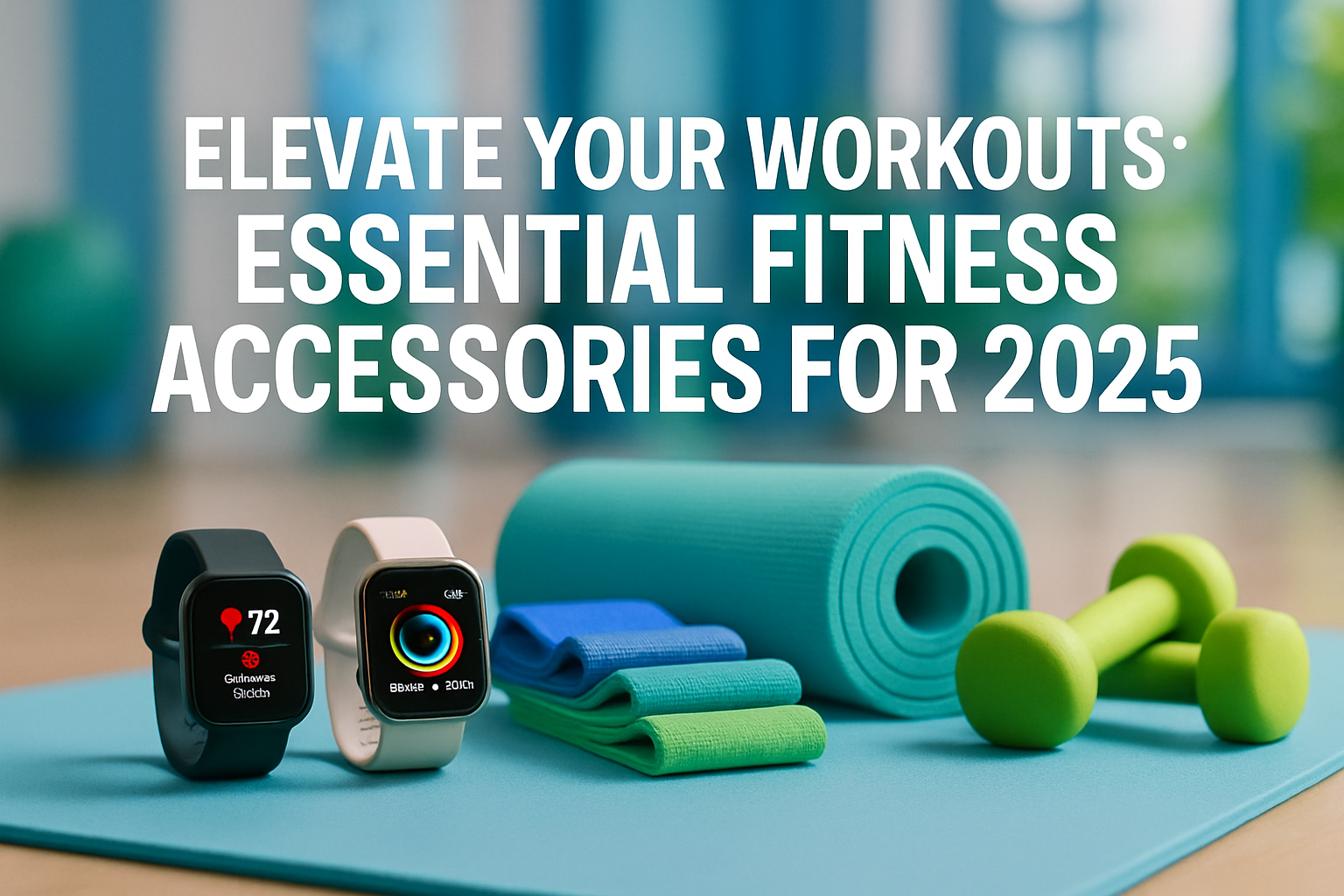

Are you ready to transform your fitness journey and unlock new levels of performance and motivation? In 2025, the world of fitness is more dynamic and accessible than ever, and a key driver of this evolution is the remarkable array of innovative fitness accessories available.
From smart wearables that monitor every heartbeat to eco-friendly gear that aligns with your values, these tools are no longer mere add-ons; they are integral components of a successful and sustainable fitness regimen. Whether you’re a seasoned athlete or just beginning your wellness path, understanding the landscape of modern fitness accessories can significantly enhance your workouts, track your progress, and keep you engaged.
The global gym accessories market alone was valued at an impressive $13.96 billion USD in 2024 and is projected to skyrocket to $29.45 billion USD by 2035, showcasing a robust compound annual growth rate (CAGR) of 7.02% [1].
This significant growth underscores the increasing recognition of how these tools contribute to achieving fitness goals, preventing injuries, and making exercise more enjoyable. This comprehensive guide will explore the diverse world of fitness accessories, highlighting key trends, essential items for various workout types, and how to choose the right gear for your personal journey in 2025.
Key Takeaways
- Market Growth & Drivers: The fitness accessories market is booming, projected to reach nearly $30 billion by 2035, driven significantly by the rise of at-home workouts and personalized fitness solutions.
- Technological Integration: Smart fitness accessories, wearables, and AI-powered apps are revolutionizing how individuals track progress, receive guidance, and stay motivated, with wearable technology being the top fitness trend for 2025.
- Personalization & Portability: Consumers increasingly prioritize customizable and portable fitness accessories that support flexible, hybrid workout routines, allowing for tailored experiences anywhere, anytime.
- Sustainability & Eco-Friendliness: A growing demand for environmentally conscious fitness gear is shaping product development, as consumers seek sustainable options and brands invest in eco-friendly innovations.
- Diverse Applications: From strength training and cardio to yoga and recovery, a wide range of accessories caters to every fitness discipline, enhancing performance, safety, and engagement.
The Evolving Landscape of Fitness Accessories: Trends and Market Insights
The fitness industry is undergoing a significant transformation, with fitness accessories playing a pivotal role in shaping how individuals approach their health and wellness goals. The sheer variety and sophistication of these products reflect a dynamic market driven by innovation, consumer preferences, and evolving workout paradigms.
Market Momentum: A Snapshot of Growth
The data speaks volumes about the burgeoning importance of fitness accessories. The U.S. fitness equipment market, valued at $19.83 billion USD in 2025, is projected to reach $39.74 billion USD by 2034, demonstrating a healthy 7.2% CAGR. Within this, fitness accessories specifically are forecasted to grow at a robust 6.9% CAGR [2]. This growth is not merely an indication of increased product sales but a reflection of deeper shifts in consumer behavior and fitness methodologies.
The Rise of At-Home Workouts and Personalized Fitness
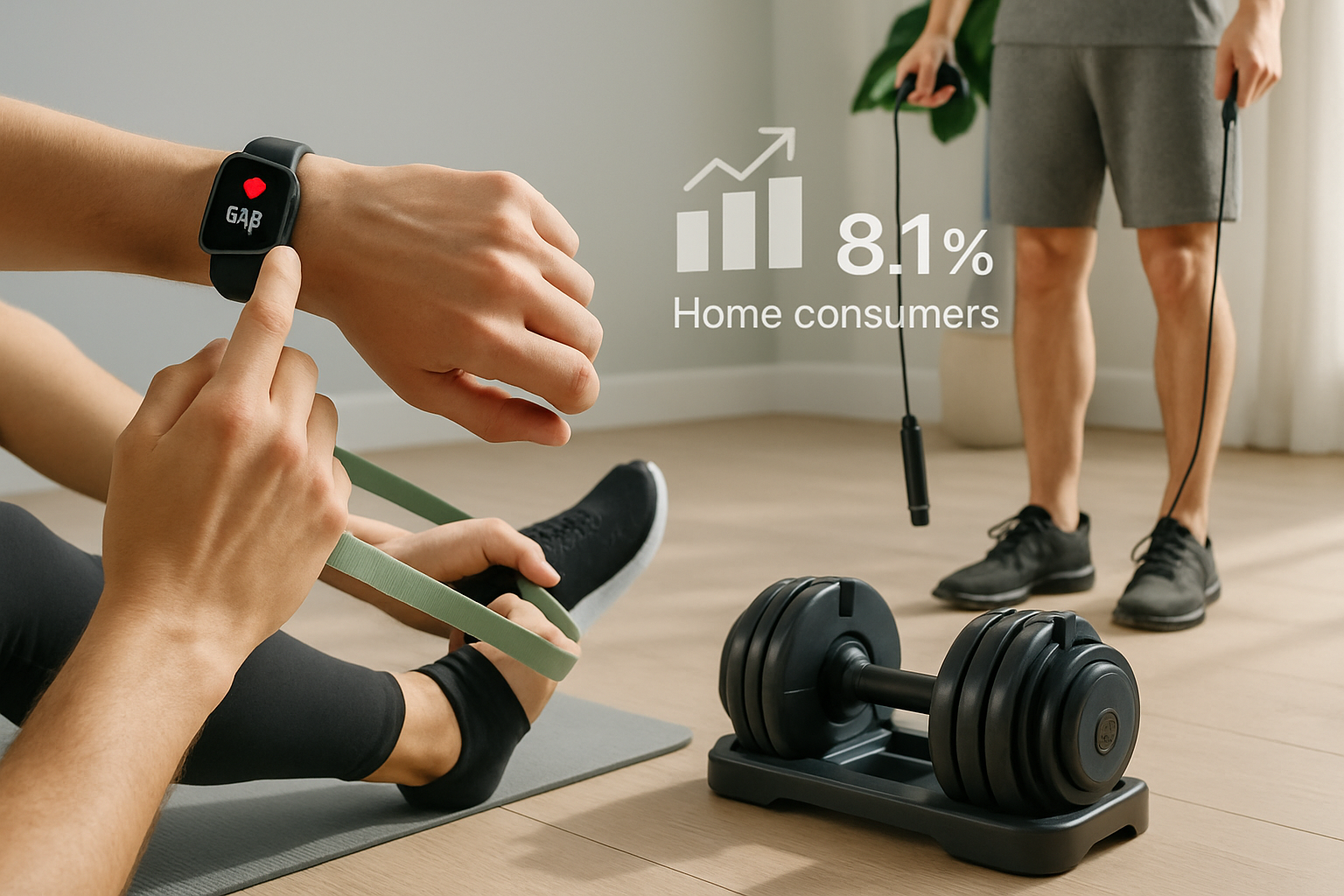
One of the most significant market drivers for fitness accessories is the home consumers segment. This category is expected to command a major portion of market share, growing at an impressive 8.1% CAGR through 2034 [2]. This surge is fueled by several factors:
- Convenience: The ability to work out anytime, without travel or gym schedules, remains a powerful draw.
- Cost-Effectiveness: Investing in home gym accessories can be a more economical long-term solution than gym memberships for many.
- Privacy: Some individuals prefer the privacy and comfort of exercising in their own space.
- Personalization: Home workouts, especially when paired with smart accessories and apps, offer unprecedented levels of customization.
This trend has led to skyrocketing demand for portable and compact fitness accessories [3]. Products like resistance bands, foldable treadmills, and mobile fitness apps are no longer niche items but essential tools for individuals embracing flexible, hybrid workout routines that blend at-home and gym training. Imagine a busy professional completing a high-intensity interval training (HIIT) session with resistance bands in their living room before heading to the gym for a weightlifting session – this hybrid approach is increasingly common and supported by the adaptability of modern fitness accessories.
Regional Dynamics: North America Leads, Asia-Pacific Rises
Geographically, North America continues to dominate the gym accessories market, driven by a strong demand for strength equipment [1]. However, the Asia-Pacific region is emerging as the fastest-growing market, primarily due to a rising interest in residential fitness accessories [1]. This regional diversification highlights the global appeal and accessibility of fitness tools, reaching diverse demographics and fitness cultures.
Customization: Tailoring Your Fitness Journey
A dominant trend for fitness accessories in 2025 is customization [4]. Consumers are no longer content with one-size-fits-all solutions. The market is responding with equipment like modular weight machines, adjustable benches, and multi-functional systems that allow users to personalize workouts based on:
- Individual physical needs: Catering to specific body types, injury histories, or physical limitations.
- Experience levels: Providing scalable challenges for beginners and advanced athletes alike.
- Fitness goals: Whether it’s muscle gain, weight loss, endurance training, or flexibility, accessories are designed to be adaptable.
This emphasis on personalization means that your fitness journey can be as unique as you are, with accessories that evolve with your progress and changing objectives.
Essential Fitness Accessories for Every Workout Type
Understanding the trends is one thing; knowing which specific fitness accessories can genuinely benefit your routine is another. Here’s a breakdown of essential items categorized by workout type.
For Strength Training
Strength training is fundamental for building muscle, increasing metabolism, and improving bone density. The right accessories can significantly enhance your form, safety, and progress.
- Dumbbells & Kettlebells: The quintessential free weights. Adjustable dumbbells offer a space-saving solution, allowing you to change weights quickly. Kettlebells are excellent for dynamic, full-body movements.
- Resistance Bands: Versatile and portable, resistance bands come in various strengths and can be used for warm-ups, strength training (especially glutes and shoulders), and stretching. They are perfect for home workouts and travel.
- Barbell and Weight Plates: For serious lifters, a quality barbell and a range of weight plates are crucial. Look for Olympic standard equipment for durability and versatility.
- Weightlifting Gloves/Grips: Protect your hands from calluses and improve grip, especially important during heavy lifts.
- Weightlifting Belt: Provides lumbar support and helps stabilize the core during heavy compound lifts like squats and deadlifts, reducing the risk of injury.
- Ankle Weights: Add extra resistance to leg exercises, core work, and even cardio.
- Pull-up Bar: Easily installed in a doorway, this accessory is excellent for building upper body and back strength.
For Cardio & Endurance
Cardiovascular health is paramount, and accessories can make cardio workouts more effective and engaging.
- Jump Rope: An incredibly effective and portable cardio tool. Modern smart jump ropes can even track jumps, calories burned, and workout duration.
- Fitness Tracker/Smartwatch: Indispensable for monitoring heart rate, calories burned, distance covered, and even GPS tracking for outdoor runs. Wearable technology was named the number one fitness trend for 2025 by the American College of Sports Medicine (ACSM), with the global wearable technology market expected to surpass $74 billion [5].
- Heart Rate Monitor (Chest Strap): Often more accurate than wrist-based trackers, a chest strap provides precise heart rate data for targeted training zones.
- Headphones (Wireless/Sport-Specific): Essential for motivational music or podcasts without tangled wires. Look for sweat-resistant options with a secure fit.
- Hydration Bottle: Staying hydrated is critical for endurance. Look for insulated bottles to keep water cold.
- Stability Ball: Excellent for core engagement, improving balance, and adding a challenge to bodyweight exercises.
For Flexibility & Recovery
Recovery and flexibility are often overlooked but are crucial for preventing injury and improving overall performance.
- Yoga Mat: Provides cushioning and grip for yoga, Pilates, stretching, and floor exercises. Look for thicker, eco-friendly options.
- Foam Roller: A self-myofascial release tool that helps to alleviate muscle tightness, improve circulation, and aid recovery.
- Massage Ball/Lacrosse Ball: Targets smaller, harder-to-reach muscle knots for deeper tissue release.
- Resistance Bands (Loop & Long): Beyond strength, these are fantastic for dynamic stretching and improving range of motion.
- Stretching Strap/Yoga Strap: Aids in deeper stretches and helps improve flexibility, especially for individuals with limited mobility.
- Acupressure Mat: Can help with relaxation, circulation, and pain relief.
For Tech-Enhanced & Smart Workouts
Technology integration into gym accessories is increasingly prevalent, offering enhanced user experiences through smart features, wearable connectivity, and data-driven training capabilities [1].
- Smart Jump Ropes: Track jumps, calories, and workout duration, often connecting to apps.
- Smart Scales: Measure weight, body fat percentage, muscle mass, and more, syncing data to your fitness apps.
- Smart Resistance Bands: Some bands integrate sensors to provide real-time feedback on form and resistance.
- AI-Powered Fitness Apps: Global fitness app downloads are expected to surpass 5 billion by 2025, with AI-powered apps providing real-time feedback, adaptive routines, and hyper-personalized workout guidance [6].
- Virtual Reality (VR) Fitness Headsets: The global virtual fitness market, valued at $16.4 billion USD in 2022, is projected to expand at a CAGR of 26.72% from 2023 to 2030, driven by immersive and engaging experiences [7]. These offer interactive workouts in virtual environments.
- Connected Home Gym Systems (e.g., Smart Mirrors, Interactive Bikes): These all-in-one systems offer guided workouts, live classes, and performance tracking, creating an immersive experience.
The Future of Fitness Accessories: Innovation, Sustainability, and Connectivity
As we move further into 2025, the trajectory of fitness accessories is clear: they will continue to become smarter, more personalized, and more environmentally conscious. These innovations are not just about new gadgets; they represent a fundamental shift in how we interact with our fitness journeys.
Smart Fitness: A Data-Driven Revolution
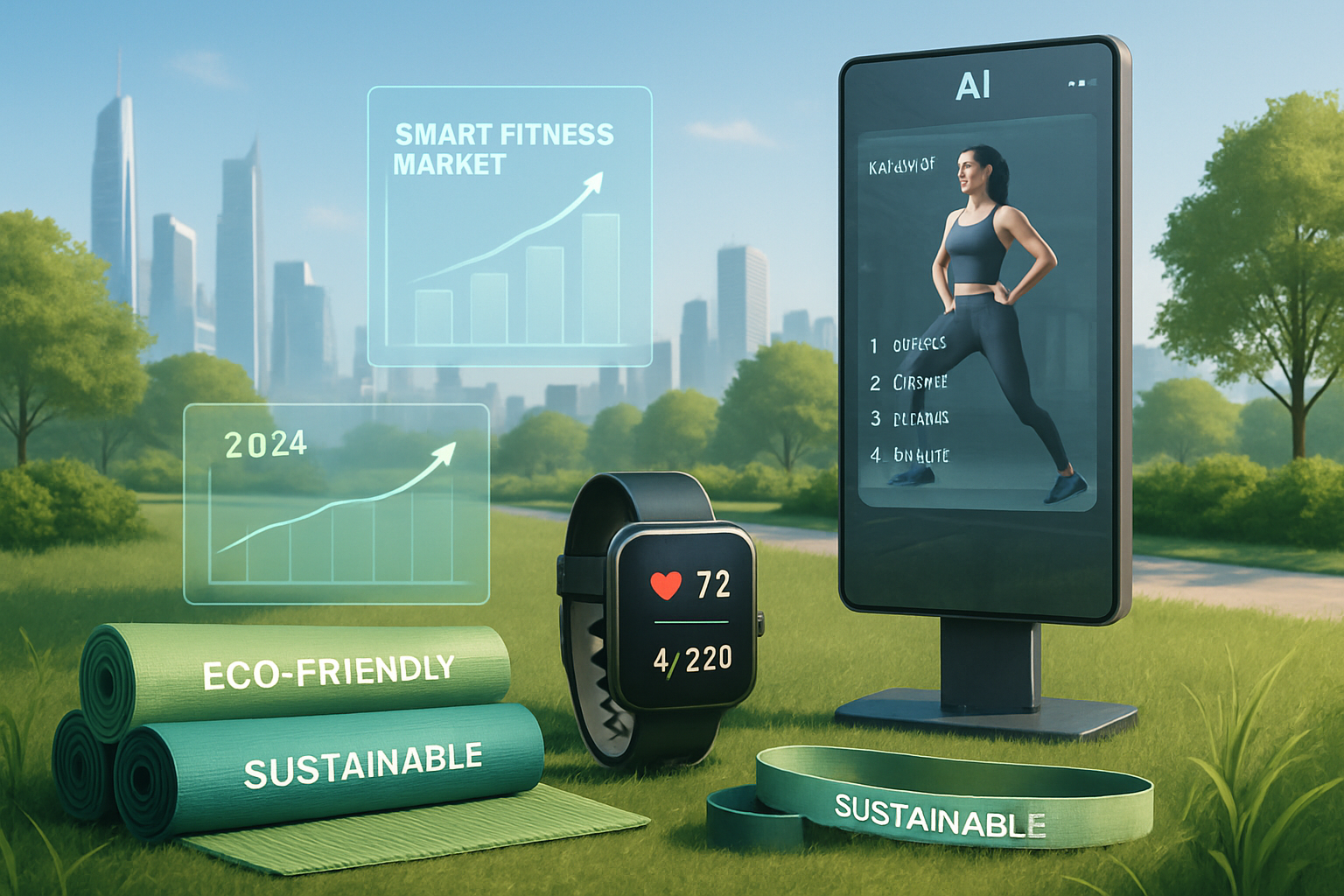
The smart fitness market has experienced exponential growth, expanding from $26.71 billion USD in 2024 to $33.47 billion USD in 2025 [8]. This growth is fueled by the relentless integration of artificial intelligence (AI), virtual reality (VR) workouts, and connected fitness technologies.
Wearable Technology: Your Personal Health Hub
As the number one fitness trend for 2025, wearable technology is fundamentally changing how individuals manage their health [5]. Modern wearables offer real-time insights into crucial health metrics, including:
- Heart Rate & Heart Rate Variability: For optimizing training intensity and assessing recovery.
- Sleep Patterns: Understanding sleep quality is vital for recovery and overall well-being.
- Oxygen Level Monitoring (SpO2): Important for respiratory health and altitude training.
- Stress Levels: Some wearables can detect stress and suggest mindfulness exercises.
- Activity Tracking: Steps, calories, active minutes – forming a comprehensive picture of daily movement.
These devices seamlessly integrate with fitness apps, allowing users to track progress over time, identify trends, and make informed decisions about their health and training. The ability to receive personalized coaching and adapt routines based on real-time biometric data is a game-changer.
AI-Powered Fitness Apps: Your Pocket Personal Trainer
The proliferation of AI-powered fitness apps is transforming the personal training landscape. These apps go beyond basic workout tracking, offering:
- Adaptive Routines: Workouts that adjust based on your performance, recovery, and progress.
- Real-time Feedback: Guidance on form, pacing, and intensity during exercises.
- Hyper-Personalized Guidance: Tailored recommendations based on individual fitness levels, goals, and even nutritional intake.
- Motivation & Gamification: Features like challenges, leaderboards, and rewards to keep users engaged.
With global fitness app downloads expected to surpass 5 billion by 2025, these intelligent platforms are becoming indispensable companions for both at-home and gym workouts [6].
Virtual and Augmented Reality Workouts: Immersive Experiences
The virtual fitness market is expanding rapidly, offering immersive and engaging fitness experiences [7]. VR headsets transport users to virtual environments for interactive workouts, from boxing with virtual opponents to exploring scenic trails. Augmented reality (AR) apps, on the other hand, overlay digital content onto the real world, enhancing traditional exercises with interactive elements and gamification. These technologies make workouts more fun, challenging, and consistent.
The Green Revolution: Sustainable and Eco-Friendly Fitness Gear
Beyond technology, there’s a strong and growing movement towards sustainability in the fitness industry. Consumers are increasingly environmentally conscious, and this preference is driving demand for eco-friendly fitness accessories. A significant 70% of gym-goers prioritize eco-friendly facilities, pushing brands to invest in sustainable, innovative products to capture greater market share [9].
What to Look For in Sustainable Fitness Accessories:
- Recycled Materials: Products made from recycled plastics, rubber, or metal.
- Natural & Biodegradable Materials: Yoga mats made from natural rubber, cork, or jute; resistance bands from natural latex.
- Ethical Manufacturing: Brands committed to fair labor practices and reduced carbon footprints.
- Durability & Longevity: Products designed to last, reducing the need for frequent replacements.
- Minimal Packaging: Reduced plastic and excessive packaging.
- Certifications: Look for certifications like OEKO-TEX, GOTS, or those from the Forest Stewardship Council (FSC).
Choosing sustainable fitness accessories not only benefits the planet but often results in high-quality, durable products that stand the test of time.
How to Choose the Right Fitness Accessories for You
With such a vast array of options, selecting the right fitness accessories can feel overwhelming. Here’s a practical guide to making informed choices:
- Define Your Goals: What are you trying to achieve? (e.g., build strength, lose weight, improve flexibility, run a marathon). Your goals will dictate the types of accessories you need.
- Assess Your Fitness Level: Beginners might start with resistance bands and light dumbbells, while advanced users might invest in a squat rack or heavier weights.
- Consider Your Workout Environment:
- Home Workouts: Prioritize compact, portable, and multi-functional accessories (e.g., adjustable dumbbells, resistance bands, yoga mats, smart jump ropes).
- Gym Workouts: Focus on accessories that complement gym equipment (e.g., weightlifting belt, wrist wraps, specialized grips, advanced fitness trackers).
- Outdoor Workouts: Think about weather-resistant gear, GPS trackers, and hydration solutions.
- Set a Budget: Fitness accessories range widely in price. Determine how much you’re willing to spend, keeping in mind that an initial investment in quality can save money in the long run.
- Read Reviews and Research Brands: Look for reputable brands known for quality, durability, and customer support. User reviews can provide valuable insights into a product’s real-world performance.
- Prioritize Safety and Comfort: Ensure accessories fit properly, are made from non-toxic materials, and won’t cause discomfort or injury.
- Embrace Technology (If Desired): If data tracking and guided workouts appeal to you, explore smart wearables, AI-powered apps, and connected fitness systems.
- Consider Sustainability: If environmental impact is important, research brands committed to eco-friendly materials and ethical manufacturing.
Maintenance and Care of Your Fitness Accessories
To ensure your fitness accessories last, perform optimally, and remain hygienic, proper maintenance is crucial.
- Clean Regularly: Wipe down dumbbells, kettlebells, and yoga mats after each use with a disinfectant spray or mild soap and water. Sweat and dirt can harbor bacteria and degrade materials over time.
- Store Properly: Keep accessories in a clean, dry place. Avoid direct sunlight or extreme temperatures, which can damage materials like rubber and plastic.
- Inspect for Wear and Tear: Regularly check resistance bands for cracks, weights for rust, and straps for fraying. Replace damaged items immediately to prevent injury.
- Charge Smart Devices: Keep your fitness trackers and smartwatches charged to ensure continuous data collection.
- Follow Manufacturer Guidelines: Always refer to the product manual for specific cleaning and maintenance instructions.
By dedicating a little time to care, your fitness accessories will support your journey reliably for years to come.
Conclusion
The world of fitness accessories in 2025 is a testament to innovation, personalization, and a growing commitment to holistic well-being. From the burgeoning market size driven by at-home workouts to the pervasive integration of smart technology and the increasing demand for sustainable products, these tools are indispensable for anyone serious about their fitness journey. They offer the power to enhance performance, ensure safety, track progress, and provide motivation, all while adapting to individual needs and preferences.
Whether you’re looking to intensify your strength training, optimize your cardio, improve flexibility, or embrace a fully connected fitness experience, there’s an accessory designed to help you achieve your goals. By thoughtfully selecting the right gear, maintaining it properly, and staying informed about the latest trends, you can truly elevate your workouts and embark on a more effective, enjoyable, and sustainable path to health and fitness. Embrace the future of fitness—it’s equipped for success.
Actionable Next Steps:
- Assess Your Current Needs: Take stock of your fitness goals and current workout routine to identify areas where fitness accessories could provide the most benefit.
- Research Top Products: Explore online reviews, expert recommendations, and brand websites for the specific accessories that align with your interests (e.g., “best smartwatches 2025,” “eco-friendly yoga mats”).
- Invest in Quality: Prioritize durable, high-quality products that will withstand regular use and offer long-term value.
- Integrate Smart Technology: Consider adding a wearable fitness tracker or an AI-powered fitness app to leverage data-driven insights and personalized guidance.
- Prioritize Sustainability: If environmental impact is a concern, seek out brands and products that use recycled, natural, or ethically sourced materials.
- Start Small: You don’t need every accessory at once. Begin with a few essential items and gradually expand your collection as your needs evolve.
References
[1] Grand View Research. “Gym Accessories Market Size, Share & Trends Analysis Report.” (2024).
[2] Research and Markets. “United States Fitness Equipment Market Report 2024-2034.” (2025).
[3] American College of Sports Medicine (ACSM). “Worldwide Survey of Fitness Trends for 2025: The Rise of Flexible and Hybrid Workouts.” (2025).
[4] Deloitte. “Fitness Industry Outlook 2025: Personalization and Customization.” (2025).
[5] American College of Sports Medicine (ACSM). “Worldwide Survey of Fitness Trends for 2025: Wearable Technology.” (2025).
[6] Statista. “Number of fitness app downloads worldwide 2020-2025.” (2025).
[7] Grand View Research. “Virtual Fitness Market Size, Share & Trends Analysis Report By Session, By Device, By End-use, By Region, And Segment Forecasts, 2023 – 2030.” (2023).
[8] Statista. “Smart fitness market revenue worldwide 2024-2025.” (2025).
[9] IHRSA. “The Green Gym Report: Consumer Preferences for Sustainable Fitness.” (2024).
SEO Meta Title: Essential Fitness Accessories for 2025 Workouts
SEO Meta Description: Explore top fitness accessories for 2025! Discover smart tech, eco-friendly gear, and must-haves for home, gym, and personalized workouts.
Discover more from Best Fitness Stores
Subscribe to get the latest posts sent to your email.