


Are you looking to deepen your yoga practice while also treading lightly on our planet? In this year, the demand for sustainable living continues to grow, and for yogis, this often translates to seeking out an eco friendly yoga mat.
As someone deeply committed to both wellness and environmental stewardship, I’ve spent years exploring how our choices impact the world around us.
A yoga mat is more than just a surface; it’s a foundation for your practice, a connection to the earth beneath you, and a reflection of your values.
Choosing an eco friendly yoga mat means opting for materials that are kind to the environment, sustainable in production, and often, better for your health too.
Let’s embark on a comprehensive journey to understand what makes a yoga mat truly eco-conscious, why it matters, and how to find the perfect one for you.
Key Takeaways
- Environmental Impact Matters: Traditional PVC mats contribute to pollution and landfill waste. Choosing an eco friendly yoga mat significantly reduces your environmental footprint.
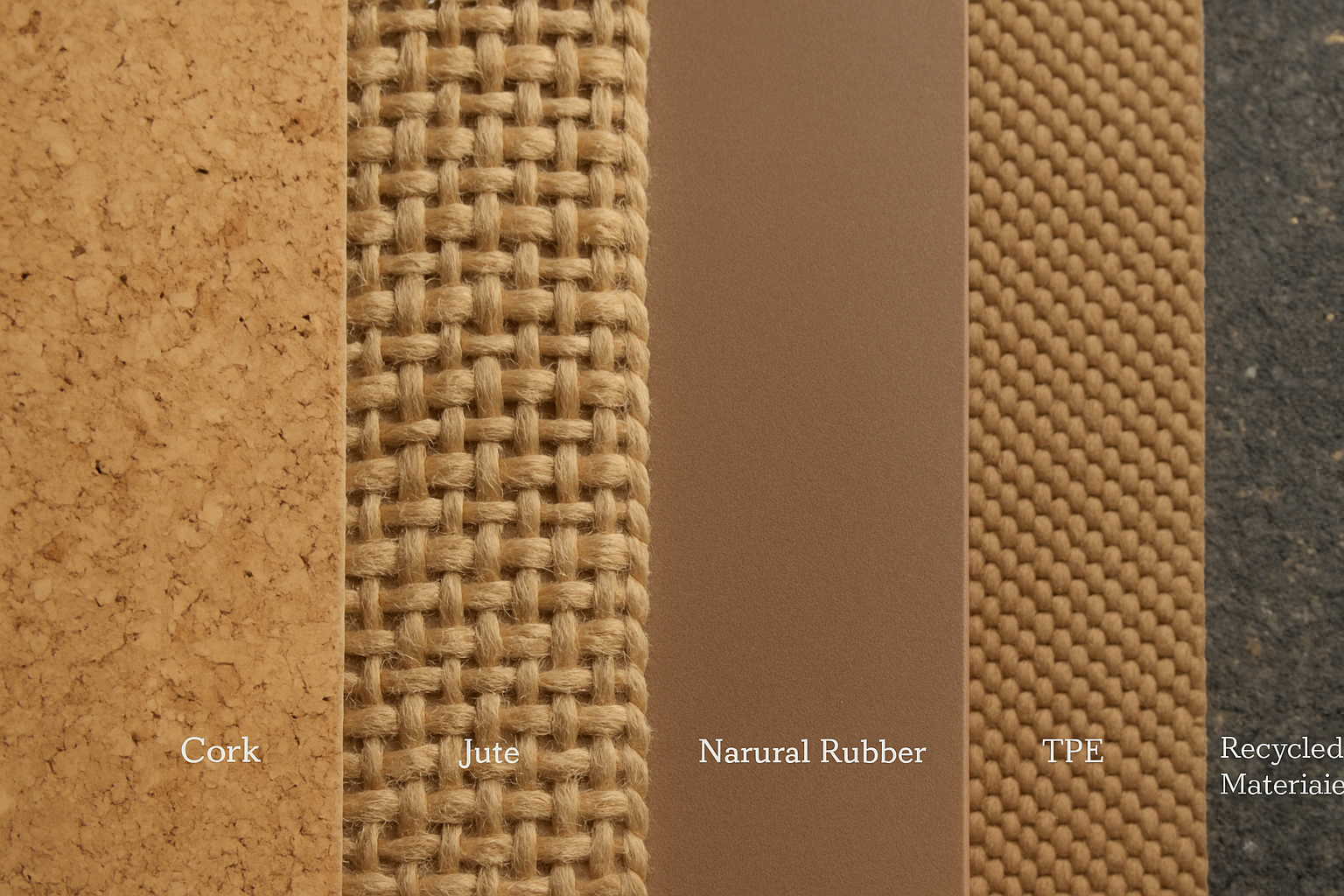
- Diverse Material Options: Sustainable mats come in a variety of materials like natural rubber, cork, jute, TPE, and recycled options, each offering unique benefits in grip, comfort, and durability.
- Healthier Practice: Eco-friendly mats are often free from harmful chemicals and heavy metals found in conventional mats, leading to a healthier practice for you.
- Longevity and Care: Proper cleaning and maintenance are crucial for extending the life of your eco friendly yoga mat, regardless of its material.
- Informed Choices: Understanding certifications, ethical manufacturing, and material properties empowers you to make a truly informed and responsible purchase in 2025.
Understanding the Environmental Impact of Traditional Yoga Mats
For years, the vast majority of yoga mats were made from Polyvinyl Chloride (PVC). While PVC mats are durable, affordable, and offer good grip, their environmental footprint is significant and concerning [1]. PVC is a synthetic plastic that is notorious for its toxic production process and non-biodegradable nature.
Consider this:
- Production: The manufacturing of PVC involves chlorine and produces dioxins, which are highly toxic and persistent environmental pollutants [2]. These chemicals can harm workers and surrounding communities.
- Disposal: PVC is not biodegradable and can take hundreds, if not thousands, of years to break down in landfills. When incinerated, it releases harmful chemicals like hydrochloric acid and dioxins into the atmosphere.
- Health Concerns: PVC can off-gas volatile organic compounds (VOCs) and contain phthalates, which are endocrine disruptors linked to various health issues in humans and animals [3]. That “new mat smell” might not be as benign as you think.
This stark reality has driven many yogis and manufacturers to seek out more sustainable alternatives. The rise of the eco friendly yoga mat isn’t just a trend; it’s a necessary evolution for a mindful practice that extends beyond the mat itself. By choosing an eco-conscious option, we contribute to a healthier planet and a healthier ourselves.
What Defines an Eco Friendly Yoga Mat? Key Materials and Their Benefits
When we talk about an eco friendly yoga mat, we’re primarily referring to the materials used in its construction. These materials are chosen for their sustainability, biodegradability, and lack of harmful chemicals. Let’s explore the most popular options available in 2025.
🧘♀️ Natural Rubber Mats
Natural rubber is derived from the sap of rubber trees, primarily Hevea brasiliensis. It’s a highly sustainable resource when harvested responsibly, as the trees absorb carbon dioxide from the atmosphere [4].
- Pros:
- Excellent Grip: Natural rubber offers unparalleled grip, even when wet, making it ideal for hot yoga or practitioners who sweat a lot.
- Durability: These mats are known for their longevity and resilience, standing up to rigorous daily use.
- Biodegradable: At the end of its life, natural rubber will break down naturally.
- Cushioning: Provides good shock absorption, protecting joints.
- Cons:
- Latex Allergy: Individuals with latex allergies should avoid natural rubber.
- Odor: Can have a distinct rubber smell, especially when new, though this typically fades.
- Weight: Often heavier than other mat types.
- Sunlight Sensitivity: Prolonged exposure to direct sunlight can degrade the material.
- Key Considerations: Look for mats made from sustainably sourced, FSC-certified rubber to ensure responsible forestry practices.
🌳 Cork Mats
Cork is harvested from the bark of the cork oak tree, Quercus suber, a process that doesn’t harm the tree and allows the bark to regenerate every 9-12 years [5]. This makes it an incredibly renewable resource.
- Pros:
- Naturally Anti-microbial: Cork contains suberin, a waxy substance that repels dust mites and naturally resists mold and mildew, making it very hygienic.
- Superior Wet Grip: Cork actually gets grippier when wet, which is fantastic for hot yoga.
- Sustainable & Renewable: Highly renewable resource, harvesting also helps the trees absorb more CO2.
- Biodegradable: Decomposes naturally at the end of its life.
- Lightweight: Generally lighter than rubber mats.
- Cons:
- Less Cushioning: Can be thinner and offer less padding than rubber mats, though some brands offer thicker cork options.
- Initial Slippery Feel: Some users find cork a bit slippery when completely dry, requiring a warm-up period.
- Key Considerations: Ensure the cork is naturally sourced and not mixed with synthetic binders.
🌾 Jute Mats
Jute is a natural fiber extracted from the stem of the jute plant, Corchorus olitorius and Corchorus capsularis. It’s a fast-growing, rain-fed crop that requires minimal fertilizer and pesticides [6].
- Pros:
- Excellent Texture & Grip: The natural fibers provide a rustic, non-slip surface.
- Biodegradable: Jute is a natural fiber that fully breaks down.
- Breathable: Offers good air circulation.
- Durable: Strong natural fibers contribute to longevity.
- Cons:
- Can be Rough: The texture might feel rough to some users, especially on knees and hands.
- Less Cushioning: Typically thinner, offering less padding.
- Can Absorb Moisture: While breathable, it can absorb sweat and might need more frequent drying.
- Key Considerations: Often blended with other materials like natural rubber or PER (Polymer Environmental Resin – a PVC alternative) for improved grip and durability. Check the blend percentages.
🌱 TPE (Thermoplastic Elastomer) Mats
TPE is a synthetic blend of plastic and rubber polymers. While synthetic, it’s considered more eco-friendly than PVC because it’s recyclable, non-toxic, and often doesn’t contain heavy metals or latex.
- Pros:
- Recyclable: Can often be recycled into new products.
- Lightweight: Very easy to carry.
- Good Grip & Cushioning: Offers a balance of grip and comfort.
- Odorless: Generally has no strong initial smell.
- Latex-Free: Suitable for those with latex allergies.
- Cons:
- Less Durable than Rubber/Cork: May show wear and tear faster with intense daily use.
- Not Biodegradable: While recyclable, it doesn’t break down naturally in the environment like natural rubber or cork.
- Still a Plastic: Though safer than PVC, it’s still a synthetic material.
- Key Considerations: Look for mats that are certified free of phthalates, heavy metals, and other harmful chemicals.
♻️ Recycled or Upcycled Mats
These mats are made from materials that have been repurposed or recycled, minimizing waste and giving new life to existing resources. Examples include recycled natural rubber, recycled plastics, or even upcycled wetsuit material.
- Pros:
- Waste Reduction: Directly addresses the problem of landfill waste.
- Resource Conservation: Reduces the need for new virgin materials.
- Innovative Materials: Can lead to unique textures and properties.
- Cons:
- Varies Widely: Performance and durability depend heavily on the specific recycled materials used.
- Transparency: It’s important to understand the original source of the recycled material and the recycling process.
- Key Considerations: Research the brand’s commitment to ethical sourcing and manufacturing for their recycled content.
Here’s a quick comparison table to help you visualize the differences:
| Material Type | Grip (Wet/Dry) | Durability | Comfort/Cushioning | Environmental Impact | Cost Range ($) |
|---|---|---|---|---|---|
| Natural Rubber | Excellent / Good | High | High | Biodegradable, sustainable (if FSC), tree-based. | $$$ |
| Cork | Excellent / Good | Medium-High | Medium | Highly renewable, naturally anti-microbial, biodegradable. | $$ |
| Jute | Good / Good | Medium | Low-Medium | Renewable plant fiber, biodegradable. | $$ |
| TPE | Good / Good | Medium | Medium-High | Recyclable, non-toxic (better than PVC), synthetic. | $ |
| Recycled Mats | Varies | Varies | Varies | Reduces waste, conserves resources (impact depends on source). | $-$$ |
The Benefits of Choosing an Eco Friendly Yoga Mat for Your Practice
Beyond the obvious environmental advantages, selecting an eco friendly yoga mat brings a host of benefits directly to your personal yoga practice and overall well-being in 2025.
✨ A Healthier Practice Environment
Imagine taking deep breaths, inhaling close to your mat, knowing that the surface beneath you is free from harmful chemicals. Traditional PVC mats can off-gas unpleasant and potentially toxic fumes. Eco-friendly mats, especially those made from natural materials, provide a cleaner, healthier space for your practice. This means:
- No Toxic Fumes: You won’t be exposed to VOCs, phthalates, or other hazardous compounds that can irritate your respiratory system or affect your endocrine system.
- Allergy Friendly Options: Many eco-friendly mats are latex-free (like TPE or cork), catering to those with sensitivities. Cork mats are also naturally anti-microbial, reducing allergens and bacteria.
- Peace of Mind: Knowing your mat is safe allows you to focus more deeply on your breath and movements, enhancing your mindfulness.
🧘♀️ Enhanced Grip and Stability
Many eco-friendly materials naturally offer superior grip compared to their synthetic counterparts.
- Natural Rubber: Renowned for its “sticky” surface, providing excellent traction even during intense flows.
- Cork: Uniquely, cork’s grip improves when wet. The moisture from sweat activates the natural suberin in the cork, making it an ideal choice for hot yoga practitioners.
- Jute: The woven texture of jute provides a tactile, non-slip surface that helps you maintain poses.
This enhanced stability means less slipping and sliding, allowing you to hold poses longer, transition more smoothly, and practice with greater confidence and less risk of injury.
🌳 Durability and Longevity
While some eco-friendly materials might have specific care instructions, many are designed for impressive durability. A high-quality natural rubber or cork mat, with proper care, can last for many years, often outperforming cheaper synthetic alternatives.
Investing in a durable, eco friendly yoga mat can actually be more cost-effective in the long run, as you won’t need to replace it as frequently. This also aligns with sustainable consumption by reducing overall waste.
🌍 Alignment with Your Values
For many yogis, yoga is more than just physical exercise; it’s a philosophy that emphasizes respect for all living things and our connection to the earth. Choosing an eco friendly yoga mat is a tangible way to integrate these values into your practice. It’s a statement that you care about:
- Environmental Protection: Reducing pollution, conserving resources, and minimizing waste.
- Ethical Production: Supporting companies that prioritize sustainable sourcing and fair labor practices.
- Mindful Consumption: Making conscious choices about the products you bring into your life.
This alignment can deepen your connection to your practice, fostering a greater sense of purpose and integrity.
How to Choose the Best Eco Friendly Yoga Mat for You in 2025
With so many excellent options available, selecting the perfect eco friendly yoga mat can feel a bit overwhelming. But by considering a few key factors, you can narrow down your choices and find a mat that perfectly suits your needs and values in 2025.
1. Consider Your Yoga Style and Practice Frequency
Your chosen yoga style significantly influences the mat you’ll need:
- Hot Yoga (Bikram, Vinyasa Flow): You’ll need superior wet grip. Cork mats are exceptional as their grip increases with moisture. Natural rubber also performs very well.
- Restorative/Yin Yoga: Comfort and cushioning are key. Thicker natural rubber or TPE mats will provide ample support for longer holds and seated poses.
- Vinyasa/Ashtanga (Dynamic Flow): Good grip and stability are paramount for transitions. Natural rubber and cork are excellent choices.
- Beginner: A mat that offers good all-around grip and cushioning is ideal. TPE mats are often a good entry point due to their balance of features and affordability.
If you practice daily, invest in a durable mat like natural rubber or high-quality cork. For occasional practice, a TPE or jute blend might suffice.
2. Prioritize Grip and Cushioning
- Grip: This is arguably the most critical feature. A slippery mat can be distracting and dangerous. Test mats if possible, or read reviews specifically mentioning wet and dry grip. Natural rubber and cork generally offer the best grip.
- Cushioning: This protects your joints (knees, wrists, hips) during poses.
- Thicker Mats (5-6mm+): Offer more cushioning, great for sensitive joints or restorative practices. Often found in natural rubber or TPE.
- Thinner Mats (3-4mm): Provide a more direct connection to the floor, favored by some experienced practitioners, but may require extra padding for certain poses. Cork and jute often fall into this category.
3. Material Choice: Align with Your Values and Needs
Refer back to our detailed material breakdown.
- For ultimate sustainability and natural feel: Go for cork or natural rubber.
- For budget-friendliness and recyclability: TPE is a strong contender.
- For a unique texture and breathability: Jute is a great option.
- For latex allergy sufferers: Cork, jute, or TPE are safe bets.
- For lightweight travel: TPE mats are often the lightest.
4. Portability and Weight
If you commute to a studio or travel frequently, the weight and ease of carrying your mat matter.
- Lightest: TPE mats.
- Medium: Cork, some jute blends.
- Heaviest: Natural rubber mats (especially thicker ones).
5. Certifications and Brand Transparency
Look for reputable brands that are transparent about their sourcing and manufacturing processes.
- FSC Certification: For natural rubber or cork, indicates responsibly managed forests.
- OEKO-TEX Standard 100: Ensures textiles are free from harmful substances.
- GOTS (Global Organic Textile Standard): For organic cotton components, if applicable.
- B Corp Certification: Indicates a company meets high standards of social and environmental performance, accountability, and transparency.
A brand’s commitment to sustainability should extend beyond just the mat material to its packaging, labor practices, and overall mission. Don’t hesitate to research a company’s “About Us” page or sustainability reports.
6. Budget Considerations
Eco friendly yoga mat options range in price.
- Entry-Level: TPE mats are generally the most affordable sustainable option.
- Mid-Range: Jute and some thinner cork mats.
- Premium: High-quality natural rubber and thicker cork mats often represent a greater investment, reflecting their durability and performance.
Remember, investing in a high-quality, durable eco-friendly mat can save money in the long run by reducing the need for frequent replacements.
Caring for Your Eco Friendly Yoga Mat: Longevity and Hygiene
Just like any valuable tool or garment, your eco friendly yoga mat requires proper care to maintain its performance, extend its lifespan, and ensure hygiene. Different materials have specific needs, but there are general guidelines to follow in 2025.
General Cleaning Tips for All Mats:
- Wipe Down After Each Use: Especially important after sweaty practices. Use a damp cloth or a natural mat cleaner.
- Avoid Harsh Chemicals: Never use abrasive cleaners, bleach, or harsh detergents. These can degrade the material and leave toxic residues.
- Air Dry Thoroughly: Always ensure your mat is completely dry before rolling it up and storing it, especially natural materials like cork and jute, to prevent mold and mildew growth. Hang it over a shower rod or lay it flat.
- Spot Clean: For specific stains, use a small amount of mild soap (like diluted castile soap) and water, then wipe clean.
Material-Specific Care Instructions:
- Natural Rubber Mats:
- Cleaning: Wipe down with a damp cloth and a mild, natural mat cleaner (often a mix of water and white vinegar or a few drops of essential oil like tea tree).
- Avoid: Direct sunlight (can break down rubber), excessive moisture, and oil-based cleaners (can cause deterioration).
- Storage: Roll loosely, rubber side out, and store in a cool, dry place.
- Cork Mats:
- Cleaning: Simply wipe with a damp cloth after each use. Cork’s natural anti-microbial properties mean it doesn’t need harsh cleaners. A diluted vinegar solution can be used occasionally for deeper cleaning.
- Avoid: Soaking the mat in water or using abrasive brushes.
- Storage: Roll cork side out to prevent cracking and store flat or rolled in a cool, dry place.
- Jute Mats:
- Cleaning: Spot clean with a damp cloth and mild soap. Allow to air dry completely.
- Avoid: Submerging in water, machine washing, or harsh chemicals. Can absorb moisture more readily than other mats.
- Storage: Roll and store in a dry place.
- TPE Mats:
- Cleaning: Easy to clean with a damp cloth and mild soap or a commercial mat cleaner.
- Avoid: Harsh chemicals or direct, prolonged sunlight.
- Storage: Roll up and store away from extreme heat.
Longevity Best Practices:
- Store Properly: Roll your mat loosely. For most mats, rolling with the top (practice) surface facing outwards helps the mat lay flatter when unrolled.
- Avoid Creasing: Don’t fold your mat, as this can create permanent creases and damage the material.
- Protect from Pets: Sharp claws can damage any mat material.
- Rotate Usage: If you have multiple mats, rotating them can distribute wear and tear.
By dedicating a little time to care for your eco friendly yoga mat, you ensure its longevity, maintain its hygienic properties, and continue to support your sustainable practice for years to come in 2025.
Beyond the Mat: Embracing a Holistic Eco-Conscious Yoga Lifestyle
Choosing an eco friendly yoga mat is a fantastic first step, but the journey towards a truly sustainable yoga practice and lifestyle extends much further. In 2025, holistic eco-consciousness is about making mindful choices in all aspects of our lives.
🧘♀️ Sustainable Yoga Apparel
Just as with mats, the materials in your yoga clothes matter. Look for apparel made from:
- Organic Cotton: Grown without harmful pesticides and chemicals.
- Recycled Polyester: Made from plastic bottles, diverting waste from landfills.
- Tencel/Lyocell: A sustainable fiber derived from wood pulp using an environmentally responsible closed-loop process.
- Hemp: A durable, fast-growing crop that requires little water and no pesticides.
Support brands committed to ethical labor practices and transparent supply chains.
💧 Reusable Water Bottles and Coffee Cups
Single-use plastics are a major environmental issue. Bring your own reusable water bottle to class and skip disposable coffee cups by using a travel mug. Many studios offer filtered water stations, making this an easy switch.
🚗 Mindful Transportation
Consider how you get to your yoga studio.
- Walk or Bike: Great for your health and zero emissions.
- Public Transport: Reduces individual car usage.
- Car Pool: Share rides with fellow yogis.
- Electric Vehicles: If driving is necessary, an EV reduces your carbon footprint.
🗑️ Reduce, Reuse, Recycle
The mantra of environmentalism.
- Reduce: Buy less, buy quality, avoid unnecessary purchases.
- Reuse: Opt for reusable shopping bags, food containers, and other items.
- Recycle: Understand your local recycling guidelines and properly sort your waste.
For your old yoga mat, even if it’s not biodegradable, explore options for upcycling (e.g., knee padding for gardening, non-slip rug underlay) or specialized recycling programs.
🥦 Plant-Based Diet
While not directly related to your yoga gear, adopting a more plant-based diet is one of the most impactful ways to reduce your environmental footprint. Livestock farming contributes significantly to greenhouse gas emissions and resource consumption [7].
🤝 Support Eco-Conscious Studios and Communities
Seek out yoga studios that share your values. Many studios are now implementing sustainable practices, such as:
- Using eco-friendly cleaning products.
- Offering natural light and energy-efficient systems.
- Providing filtered water instead of bottled water.
- Hosting community clean-up events or partnering with environmental organizations.
By embracing these broader principles, your commitment to an eco friendly yoga mat becomes part of a larger, more impactful sustainable lifestyle, bringing deeper meaning to your practice both on and off the mat in 2025.
The Future of Eco-Friendly Yoga Mats and Ethical Consumerism in 2025
The market for sustainable products is continuously evolving, and the eco friendly yoga mat sector is no exception. In 2025, we are seeing exciting innovations and a growing emphasis on transparency and ethical consumerism.
Innovations in Materials
Researchers and manufacturers are constantly exploring new, even more sustainable materials. We might see advancements in:
- Bio-plastics: Derived from renewable biomass sources, like corn starch or algae, offering biodegradable alternatives to traditional plastics.
- Closed-loop Recycling: Systems where mats can be returned to the manufacturer to be fully recycled into new mats, minimizing waste.
- Advanced Composites: Combining different natural materials to enhance properties like grip, durability, and cushioning in novel ways.
- Ocean-Bound Plastic: Yoga mats made from plastics recovered from oceans and coastlines, directly tackling pollution.
Increased Consumer Awareness and Demand
Consumers in 2025 are more informed and demand greater transparency from brands. This growing awareness drives manufacturers to:
- Certify their products: Through credible third-party organizations that verify sustainable sourcing and production.
- Publish impact reports: Detailing their environmental footprint and efforts to reduce it.
- Focus on the entire supply chain: From raw material extraction to end-of-life disposal.
This shift in consumer behavior is a powerful force for positive change, pushing the industry towards higher standards of sustainability and ethics.
The Role of Ethical Consumerism
Choosing an eco friendly yoga mat is an act of ethical consumerism. It’s about using your purchasing power to support companies that align with your values and contribute positively to the world.
- Vote with Your Wallet: Every purchase is a vote for the kind of world you want to live in.
- Research Brands: Look beyond marketing claims to understand a brand’s true commitment to sustainability.
- Support Local and Small Businesses: Often, smaller brands have tighter control over their supply chains and a deeper connection to their community and environmental mission.
- Advocate for Change: Share your knowledge, encourage others, and hold companies accountable.
The future of yoga mats is undoubtedly green. As we move further into 2025 and beyond, the expectation will be that all products, including our yoga essentials, are produced with the planet and its people in mind. Embracing an eco-friendly mat is not just a personal choice; it’s a participation in a larger movement towards a more sustainable and conscious world.
Conclusion
Choosing an eco friendly yoga mat is more than just a purchase; it’s a thoughtful commitment to your health, your practice, and the planet. We’ve explored the concerning environmental impact of traditional mats, delved into the diverse world of sustainable materials like natural rubber, cork, jute, and TPE, and uncovered the numerous benefits these mats bring to your practice – from a healthier environment to enhanced grip and durability.
I’ve guided you through the process of selecting the ideal mat, considering your yoga style, grip needs, and personal values, emphasizing the importance of certifications and brand transparency. We also covered essential care tips to ensure your eco-friendly mat serves you well for many years, highlighting that proper maintenance not only extends its life but also aligns with the broader principles of sustainable consumption. Finally, we looked beyond the mat, advocating for a holistic eco-conscious lifestyle that touches on apparel, transportation, waste reduction, and mindful eating.
As we move forward, the innovations in sustainable materials and the increasing demand for ethical products promise an even greener future for yoga. Your choice of an eco friendly yoga mat contributes directly to this positive change, transforming your practice into a powerful statement of environmental stewardship.
Actionable Next Steps:
- Assess Your Current Mat: If you currently own a PVC mat, research responsible disposal options in your area or consider upcycling ideas before buying new.
- Identify Your Needs: Based on your yoga style and preferences, pinpoint which eco-friendly material (natural rubber, cork, jute, TPE) best suits you.
- Research Brands: Explore brands known for their commitment to sustainability and ethical practices. Look for certifications.
- Invest Wisely: Consider a high-quality, durable eco-friendly mat as a long-term investment, rather than a disposable item.
- Practice Mindful Care: Commit to regular and appropriate cleaning and storage for your new mat to maximize its lifespan.
- Expand Your Eco-Consciousness: Look for other ways to integrate sustainable choices into your yoga routine and daily life.
Your journey towards a more conscious and connected yoga practice starts here. By choosing an eco friendly yoga mat, you’re not just supporting your own well-being, but also nurturing the well-being of our shared home.
References
[1] European Commission. (2017). Study on the Review of the PVC Policy. Publications Office of the European Union.
[2] U.S. Environmental Protection Agency. (2018). An Inventory of Sources and Environmental Releases of Dioxin-Like Compounds in the United States.
[3] World Health Organization. (2009). Phthalate Esters. International Programme on Chemical Safety.
[4] Rubber Manufacturers Association. (n.d.). Natural Rubber Sustainability.
[5] World Wildlife Fund (WWF). (n.d.). Cork Forests: Biodiversity Hotspots.
[6] Food and Agriculture Organization of the United Nations (FAO). (n.d.). Jute – A natural fiber for a healthy planet.
[7] Poore, J., & Nemecek, T. (2018). Reducing food’s environmental impacts through producers and consumers. Science, 360(6392), 987-992.
Discover more from Best Fitness Stores
Subscribe to get the latest posts sent to your email.